

The Mumbai chase that taught me handicap maths
An IPL match at the Wankhede, the home team chasing 165, my bet running on Mumbai with a -7.5 run handicap at 2.10. With three overs to go they needed 22 to win – easy enough on that pitch. They won by 6 runs. Match won. Handicap bet lost, because Mumbai had to win by 8 or more for my bet to land. I stared at the screen, recalculated, accepted the loss, and learned something I hadn’t fully internalised before. The handicap market isn’t about who wins. It’s about by how much. And in cricket, where margins can be enormous or razor-thin, that distinction reshapes how you read the matchup completely.
This is about Asian handicap betting in cricket – how the run-line markets work at UK books, where they exist across formats, and how to think about handicap value when the favourite is short and the underdog has a real chance of either covering or losing badly.
What the handicap is doing
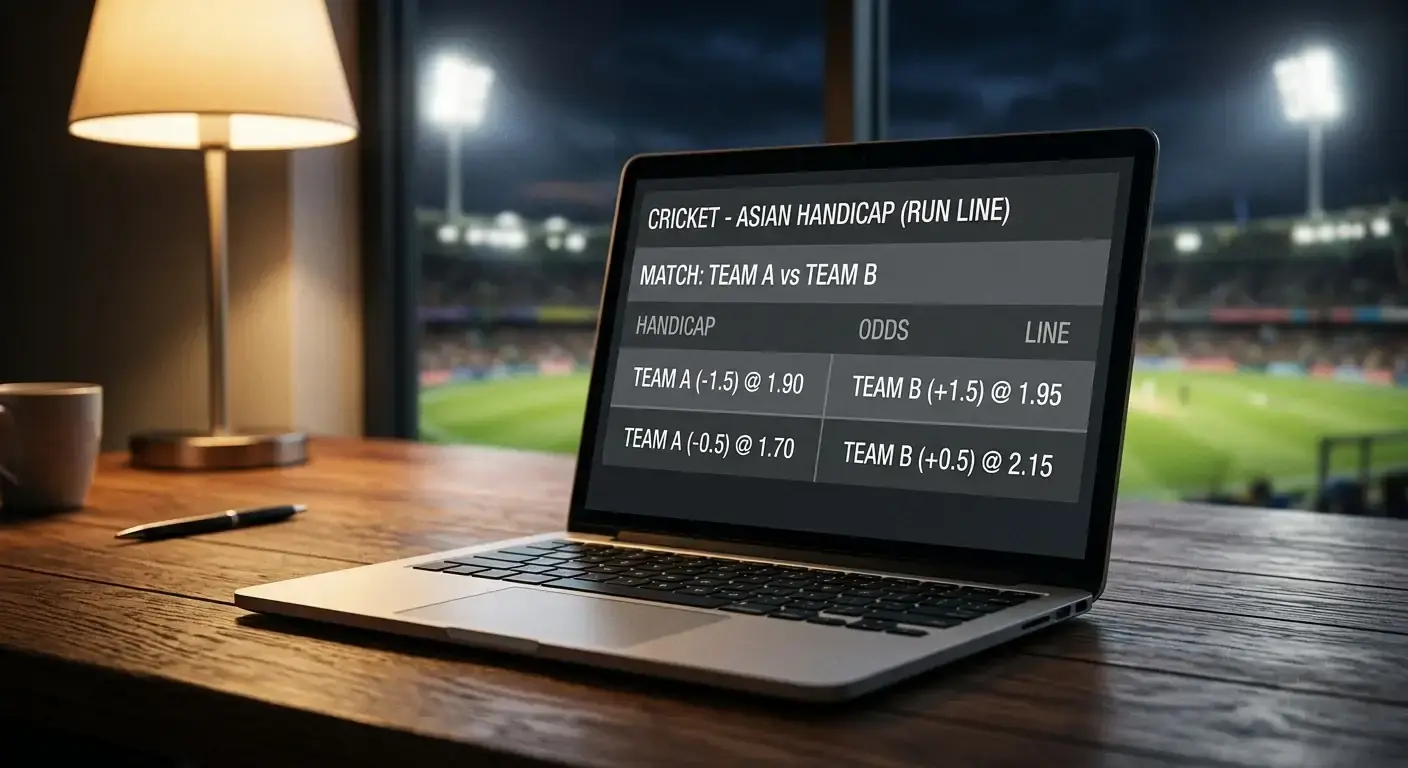
An Asian handicap in cricket applies a notional run advantage or disadvantage to one team before the match starts. A favourite with a -10.5 handicap needs to win by 11 or more runs for the bet to win. An underdog with a +10.5 handicap wins the bet if they win the match outright or lose by 10 or fewer runs. The half-run (the .5) eliminates the possibility of a push, which is the structural feature that makes Asian handicap distinct from European-style handicap markets that allow ties.

The market exists primarily in limited-overs cricket where margin of victory is meaningful and varies widely. T20 matches can be won by 1 run or by 60 runs. ODIs by 1 wicket or by 200 runs. The variation in margin is what gives the handicap market its character. Test cricket has handicap markets too, but they’re less standardised because the margin in Test matches can be expressed in runs (if batting second) or in wickets remaining (if batting fourth), which complicates the handicap structure.
Most UK books offer handicap markets on major IPL, T20 Blast, ODI series, and ICC tournament fixtures. The handicap line is typically set so that the two sides of the market are priced close to even – around 1.90 each side after the book’s margin – though the exact line varies based on how the book reads the matchup. A handicap of -15.5 on a heavy favourite suggests the book sees a meaningful margin of victory as likely, while -3.5 on a closer matchup suggests the book sees the match as essentially a coin flip.
Reading the handicap line
The handicap line tells you what the book thinks the median margin of victory will be, adjusted for the price margin. If the book has Team A at -8.5 with both sides priced around 1.90, the book thinks Team A is favoured to win by around 8 to 9 runs as the most likely outcome. A handicap of -15.5 means the book sees a comfortable Team A win with a meaningful margin. A handicap of +2.5 on the underdog means the book essentially has the match priced 50/50 with the underdog slightly more likely to win than to lose by 3 or more.

The information value of the handicap line is substantial. It’s effectively the book’s central estimate of the match condensed into a single number. If you disagree with the line – you think the favourite will win comfortably and the -8.5 is too short – you take the favourite handicap because you think the book has under-estimated the margin. If you think the underdog has a real chance and -8.5 overstates the favourite’s edge, you take the underdog handicap because the cushion of runs gives you protection.
I read the handicap line the way I read the spread in American football – it’s the most condensed information the market provides about how the match is likely to play out. Combined with the moneyline and the total runs market, the handicap completes the picture of what the book thinks. The total tells you how much scoring the book expects. The moneyline tells you who’s favoured. The handicap tells you by how much.
Where handicap value lives
The cleanest handicap value usually comes from matches where you have a strong read on the conditions or matchup that the line doesn’t fully reflect. A pitch with extreme turn that favours one side’s spinners, a venue where one team has a long history of dominant home performance, a matchup where one batting line-up is structurally vulnerable to one bowling attack. These edges show up in actual margins more than they do in moneyline prices because the moneyline only asks “who wins” while the handicap asks “by how much.”
The IPL is the most-bet limited-overs cricket competition globally, with the league’s commercial valuation by some industry estimates running into the tens of billions in turnover and the cricket sport-betting market projected to grow with compound annual rates that reflect rising structural interest. Around 21% of UK cricket fans have placed a bet in the past 12 months according to recent industry research, and limited-overs cricket draws the largest share of that volume. The handicap markets in IPL and ICC tournaments are deep enough to provide meaningful liquidity and tight enough lines to make value-hunting genuinely competitive.

My personal best handicap reads have come from matches where I knew the bowling matchups would crush one team. Sri Lanka against an Asian spin attack on a turning pitch. Bangladesh batting against quality pace in seaming conditions. Afghanistan against weak batting line-ups at neutral venues where their spin attack dominates. In these matchups, the handicap usually under-states the margin because the moneyline is already heavily weighted toward the favourite and the book sets the handicap to balance the two sides at near-equal prices, which leaves room for the actual margin to outpace the line.
The wicket-handicap variant
In limited-overs chases, an alternative handicap form exists where the handicap is expressed in wickets rather than runs. The favourite to win by -1.5 wickets means they need to win with at least 2 wickets in hand. This handicap form is offered less commonly than run handicaps but appears in some major UK books for ODI and T20 chases.
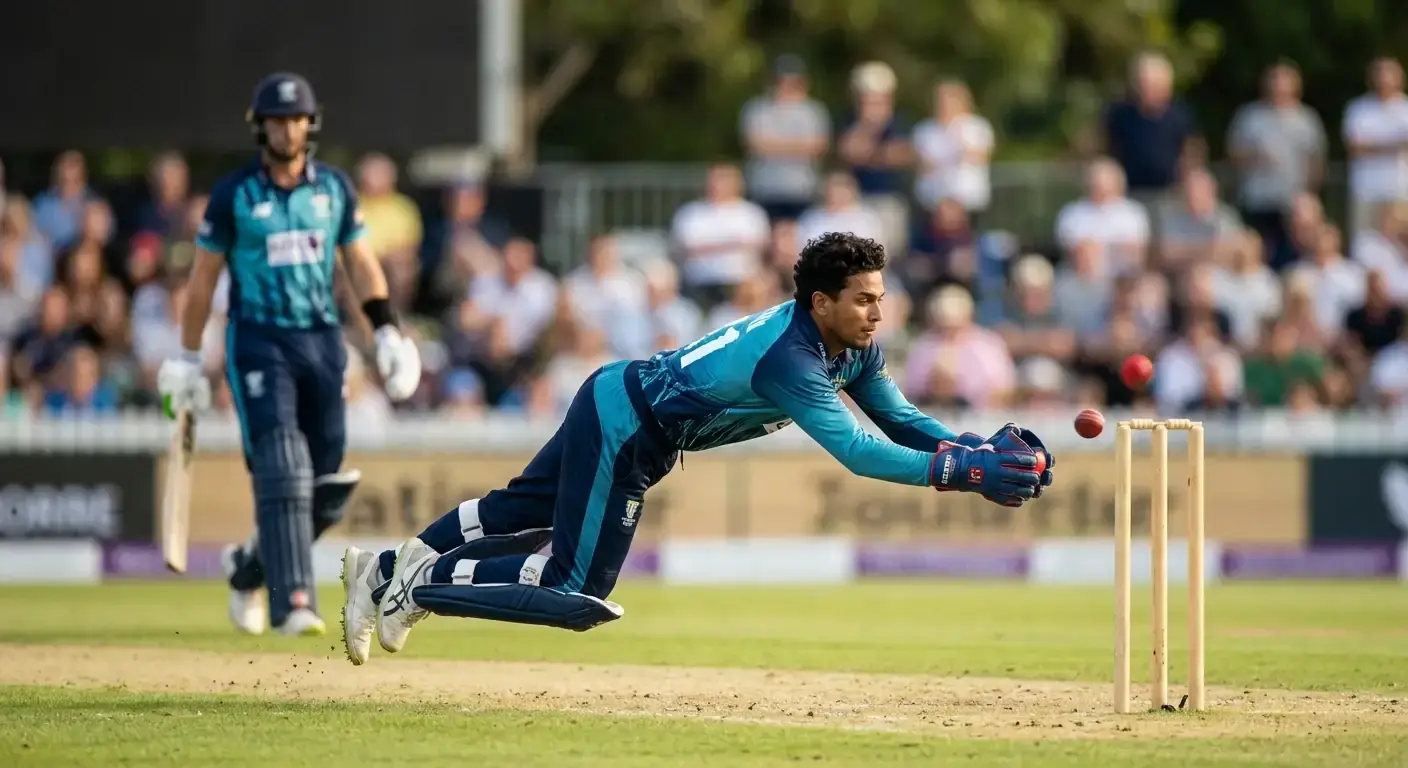
Wicket handicaps interact interestingly with the actual chase dynamic. A team chasing 280 might cruise to victory with 6 wickets in hand and 5 overs to spare, comfortably covering a -1.5 wicket handicap. The same team chasing the same total might scrape home with 1 wicket in hand and 0 balls to spare, comfortably losing a -1.5 wicket handicap despite winning the match.
The first-innings handicap
Some operators offer first-innings-only handicaps, where the bet settles on whether one team’s first innings exceeds the other team’s first innings by the handicap margin. In Tests, this is the cleanest handicap form because it removes the second-innings variability and focuses on the matchup between one batting line-up and one bowling attack on a specific pitch. The line is typically set around the expected first-innings gap, and the value lies in reading the relative batting and bowling strengths.
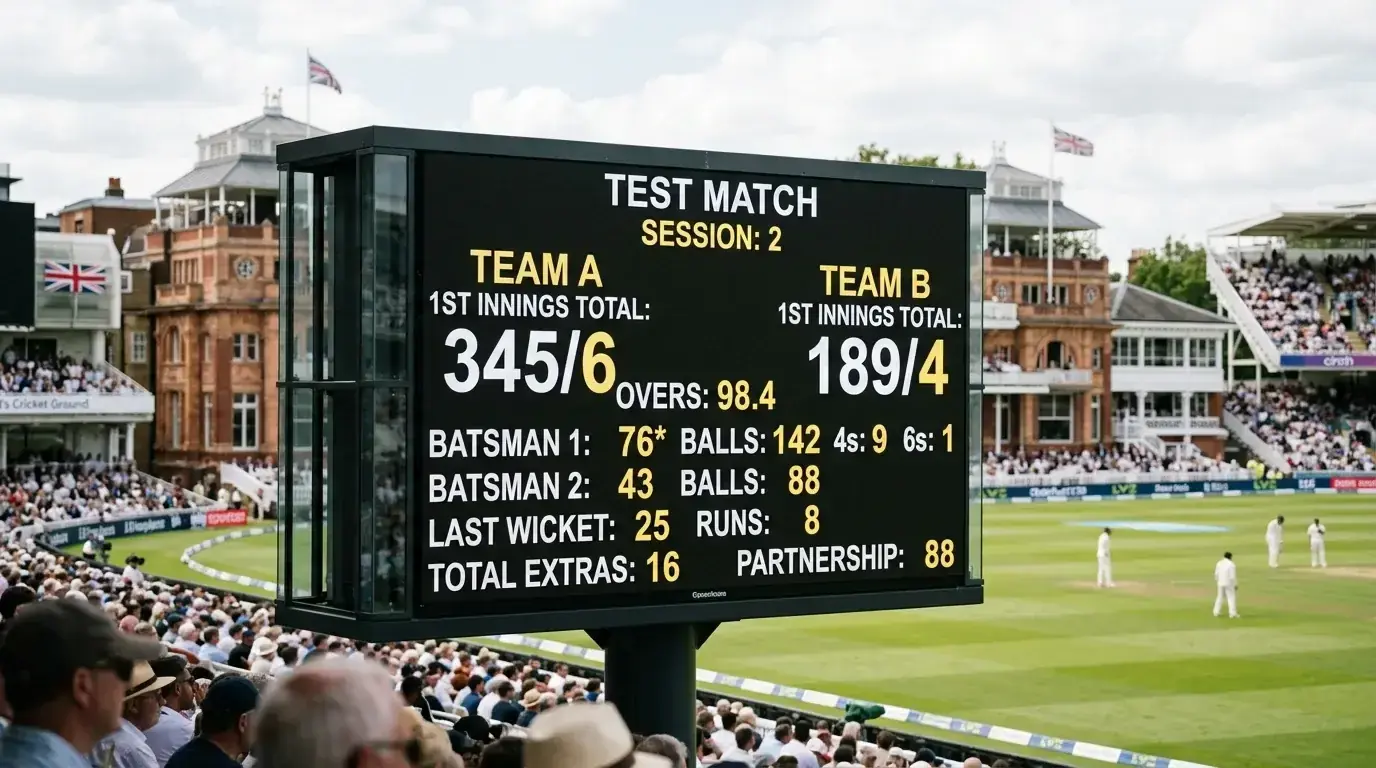
I find first-innings handicaps particularly useful for Tests in conditions I know well. England’s first innings at home against an Australian attack on a green seamer is a different proposition than the same matchup at Adelaide. The line should reflect the conditions, and where I think it doesn’t, the bet exists. The handicap market is structurally a margin market – the question is always “by how much” – and Test cricket’s structural variance produces large handicap edges when the conditions favour one side disproportionately.
How handicap markets compare to alternative bet structures
The closest analogue to the Asian handicap in cricket markets is the alternative-line market that some operators offer – adjusted moneylines that move the price as you adjust the handicap. The mechanics are different but the underlying idea is the same. You’re betting on a margin, and the price reflects how the book sees the matchup. Handicap markets give you fixed lines at fixed prices. Alternative lines give you a sliding scale where you choose the handicap and accept the corresponding price.
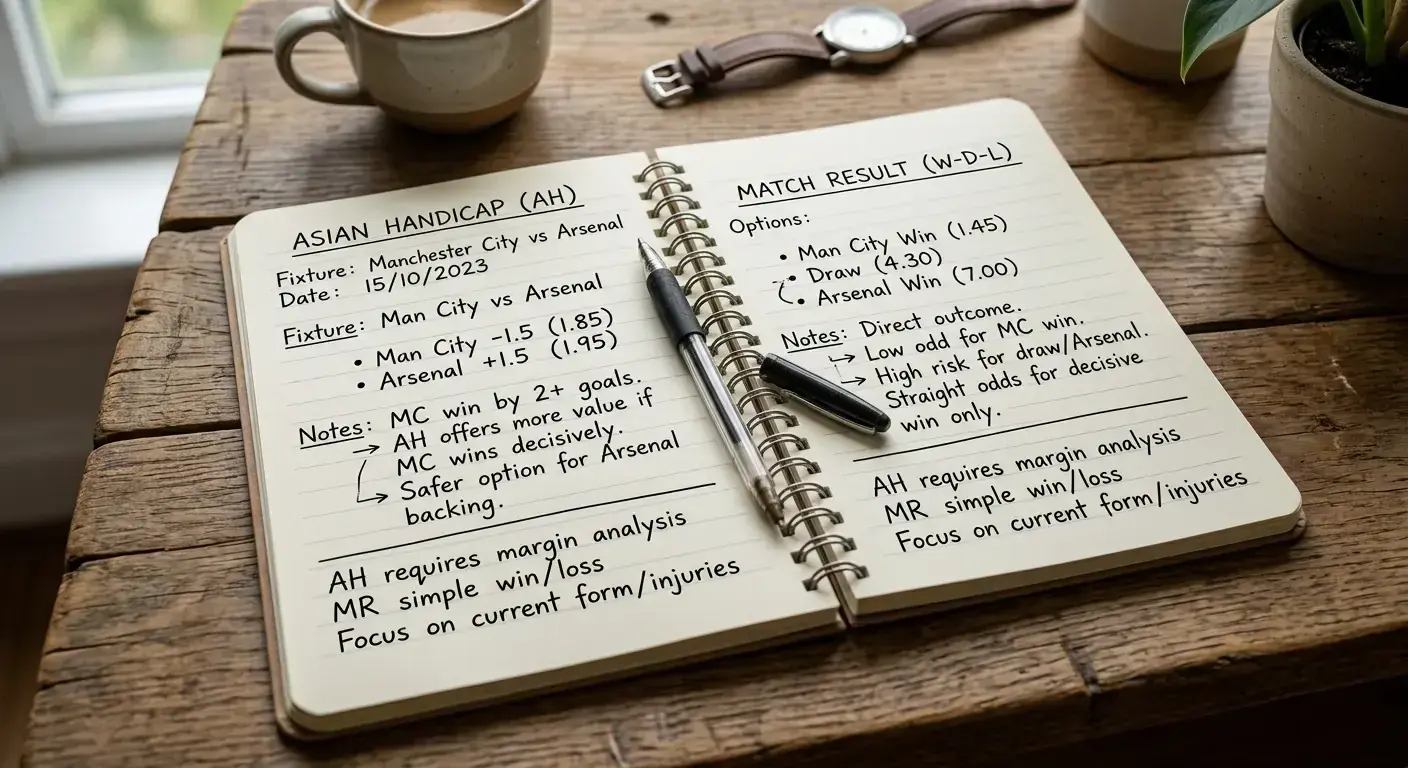
The relationship to player prop markets is interesting because both involve betting on outcomes other than the simple match result. Props are usually independent of the match result – a top batter bet pays out regardless of which team wins – while handicaps depend on the margin and the side. The two market types complement each other in a portfolio: handicap bets give you a moderately leveraged read on the matchup, props give you exposure to specific player performances. Both move away from the binary moneyline toward more nuanced reads on how the match unfolds.
Where handicaps go wrong
The trap with handicap betting is mistaking a winning team for a winning handicap bet. The Mumbai example I opened with is the obvious case. The match was won. The bet was lost. The cognitive disconnect between the two outcomes can cause emotional trading mistakes – chasing the loss with a bigger handicap bet, doubling down on the same teams, taking shorter and shorter handicap lines because “they’re going to win by enough this time.”
The discipline I’ve developed is to treat handicap bets as independent positions from moneyline bets even when they look similar on the surface. A handicap loss is a handicap loss, and the underlying match result is irrelevant to the next bet’s analysis. The next bet asks “what does the line look like and where’s the value” – not “how do I recover what the last bet lost.”
The second trap is taking handicap lines that don’t reflect the true variance of the match. T20 cricket has high variance – single overs can swing matches by 30+ runs – and handicap lines that look tight can blow out in either direction within 20 deliveries. The handicap that looked safe in the middle overs can become catastrophic in the death overs. Reading volatility into handicap pricing is as important as reading expected margin.
How I structure handicap thinking
My framework is to identify the matchup edges first, then look at how those edges should manifest in margin terms, then check whether the handicap line reflects what I’d expect. If I think a side will win by 25 runs on average against this opposition in these conditions, a -15.5 handicap is value because the line under-states the expected margin. If I think the favourite will win narrowly because the conditions even up the matchup, a -8.5 handicap is too long and the underdog handicap looks like better value.
This isn’t different from how anyone should think about spread betting in other sports. The handicap line is the book’s central estimate. Your edge is in reading the matchup more accurately than the book. The volume of bets settled across an IPL season is enough that small edges per bet compound into meaningful annual results – but only if the discipline of treating each handicap bet as an independent margin assessment holds across the season.
When the handicap line is the most useful number on the screen
The summary I’d offer is that the Asian handicap market is one of cricket betting’s most informative markets because it forces both you and the book to commit to a margin estimate. The moneyline can hide a 1.50 favourite that’s actually expected to win by 30 runs or by 5 – same price, very different match. The handicap line surfaces that information directly. For punters who follow specific teams or specific competitions closely enough to have a margin read, the handicap is where that read converts into bets.

The Mumbai bet I lost still sits in memory because it taught me that the margin is its own market, separate from the result. The moneyline asks one question. The handicap asks a different one. They sometimes give the same answer and they often don’t. Knowing which question you’re answering is the foundation of using the market well.
