
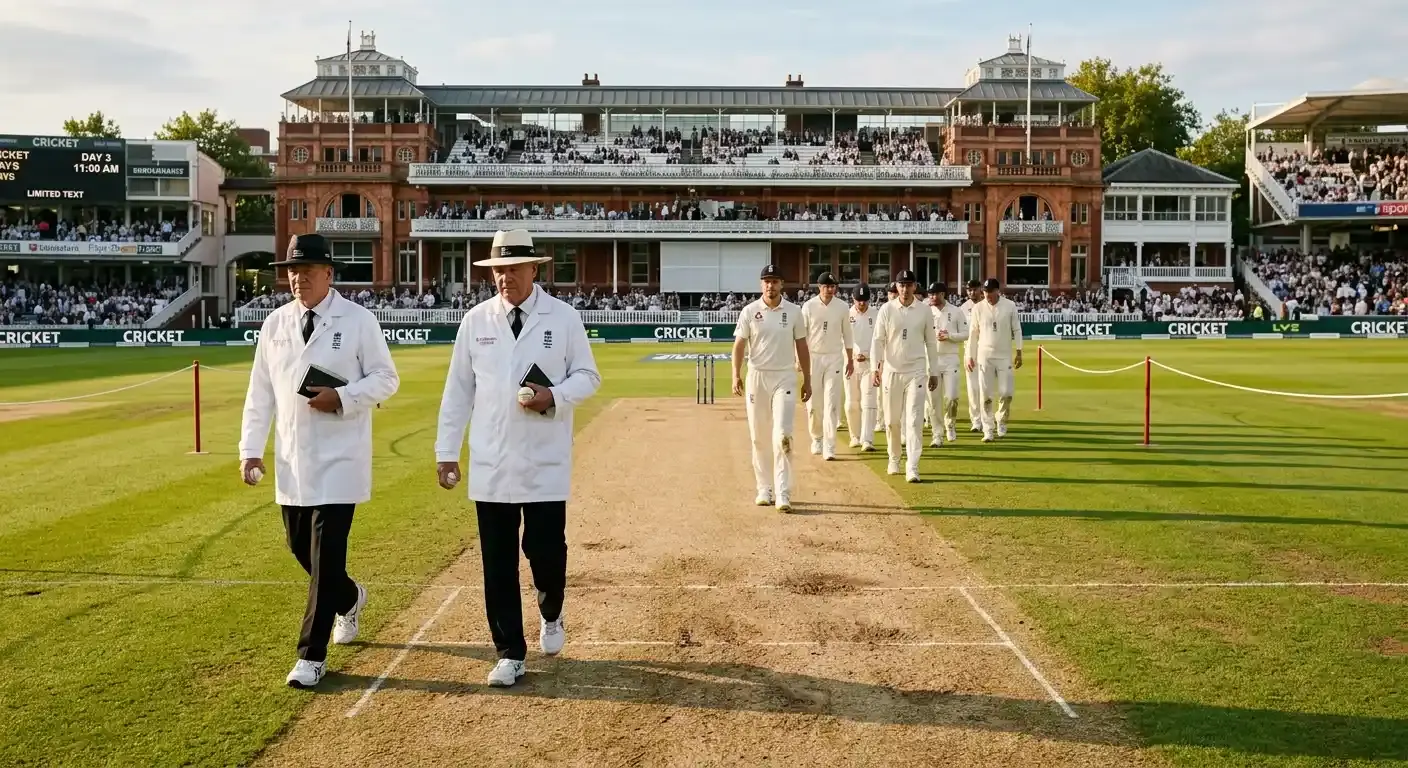

Why Test betting is the format that punishes shortcuts
The first Test match I tried to bet seriously was Headingley 2019 – Ben Stokes, 135 not out, the chase nobody believed in. I had a small lay on England at 110/1 against. I covered the chase price for a tiny green, told myself it was discipline, then watched the most extraordinary Test innings of the modern era for free. The cricket was unforgettable. The lesson, eventually, was that Test matches reward patient bettors who watch with intent and punish anyone who treats them like a longer T20.
This is the read I’d give a UK punter who’s drifting from white-ball cricket into Test cricket and wondering why their instincts keep missing.
Reading the pitch report
The pitch report on the morning of day one is the single most valuable piece of public information available to a Test bettor. Twenty minutes of broadcaster talking over a green or brown strip will tell you more about the next five days than every form table combined. Most punters watch it as commentary; few use it as a betting input.
What you’re actually looking for is moisture, cracks and grass cover. A green-tinged pitch on day one with overhead cloud is a seam-friendly start that flattens by lunch. A brown, cracked surface with no grass is a spin-dominant Test from ball one, with reverse swing arriving by day three. A pitch with patches of grass and clear seam markings under the surface is a fast bowler’s day-one paradise and a batsman’s day-four problem when the cracks open.

Translate that visual read into market terms. Match Winner shifts by 5-10 percentage points based on what the pitch shows on the first morning. Total runs in the match move by 30-50 runs against the pre-match line if conditions surprise the trader. Top Bowler markets get reshuffled – a swing-friendly pitch promotes the team’s swing specialist over their fast-pace enforcer in the pricing.
The structural advantage you have as a UK punter is that English first-class grounds have well-documented surfaces and well-understood conditions. Over 40% of UK cricket fans are aged 65 or older, a demographic that watches Test cricket with the kind of cumulative pattern recognition that the average T20 viewer doesn’t have. That collective ground knowledge is in the broadcast booth. Listen to it.
Day-by-day session strategy
A five-day Test produces fifteen sessions and roughly 450 overs. Each session is its own betting market, and the rhythm of which sessions reward bettors and which punish them is more consistent than people realise.
Day one morning is the most predictable session of the match. New ball, fresh pitch, openers feeling their way. Total runs of 60-90 is the modal outcome in most Tests. Wicket markets pay short on day one morning because the new ball brings the cleanest seam movement of the match. I find very little edge in day one morning markets – the trader has all the same information you do, and the variance is low enough that prices are sharp.
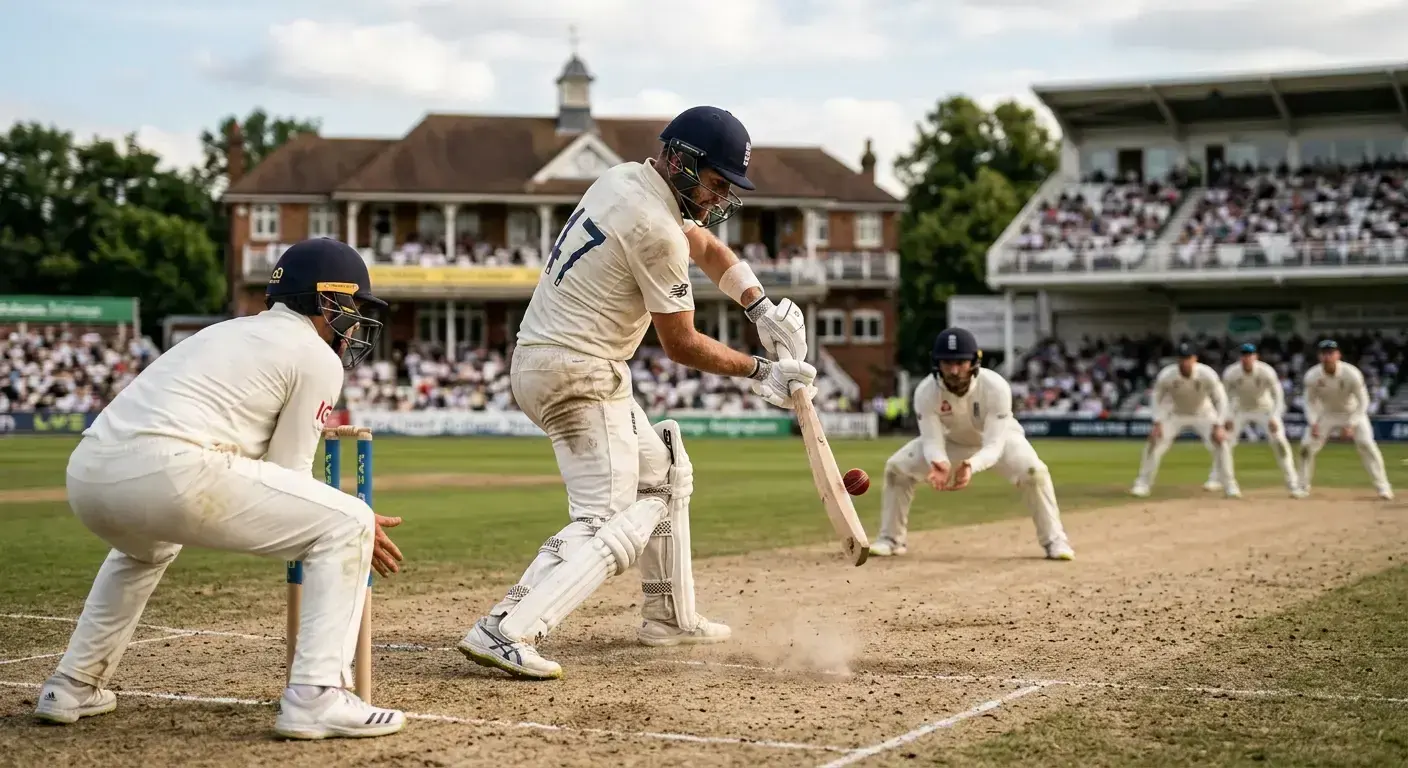
Day one afternoon and evening sessions are where the first genuine reading happens. By tea on day one you know whether the pitch is doing what the morning pitch report suggested it would, whether either side has lost their captain or strike bowler, and whether the run rate is settling above or below the model. Bookmaker margins on day-one afternoon and evening session totals are wider than on day one morning, because the market is processing fresh information.
Day three is the most informative day of any Test. Both sides have batted, the surface has shown its character, and the third-innings strategy is being formed. Day three session markets reward attentive bettors more than any other day. A bowler getting reverse swing in the day three afternoon session is the most reliable predictor of a day four collapse in modern Test cricket, and the prices on day four total wickets don’t always catch up in time.
Day five sessions are the strangest market in cricket. Test matches that reach day five are usually drawn games or chases. A morning session on day five with the team batting fourth needing 200 to win is one of the highest-variance sessions in any sport – total runs can vary by 100 runs depending on whether the chasing side decides to attack or block. Prop boards on day five sessions are thin for that reason, but the markets that do exist offer wider value gaps than at any other point in the Test.
Draw value and when the price is actually live
The Test match draw is the most misunderstood price in cricket betting. Casual bettors avoid it because “the draw is boring”. Professional bettors lean on it because it’s the only three-way market in cricket with a properly competitive third option.
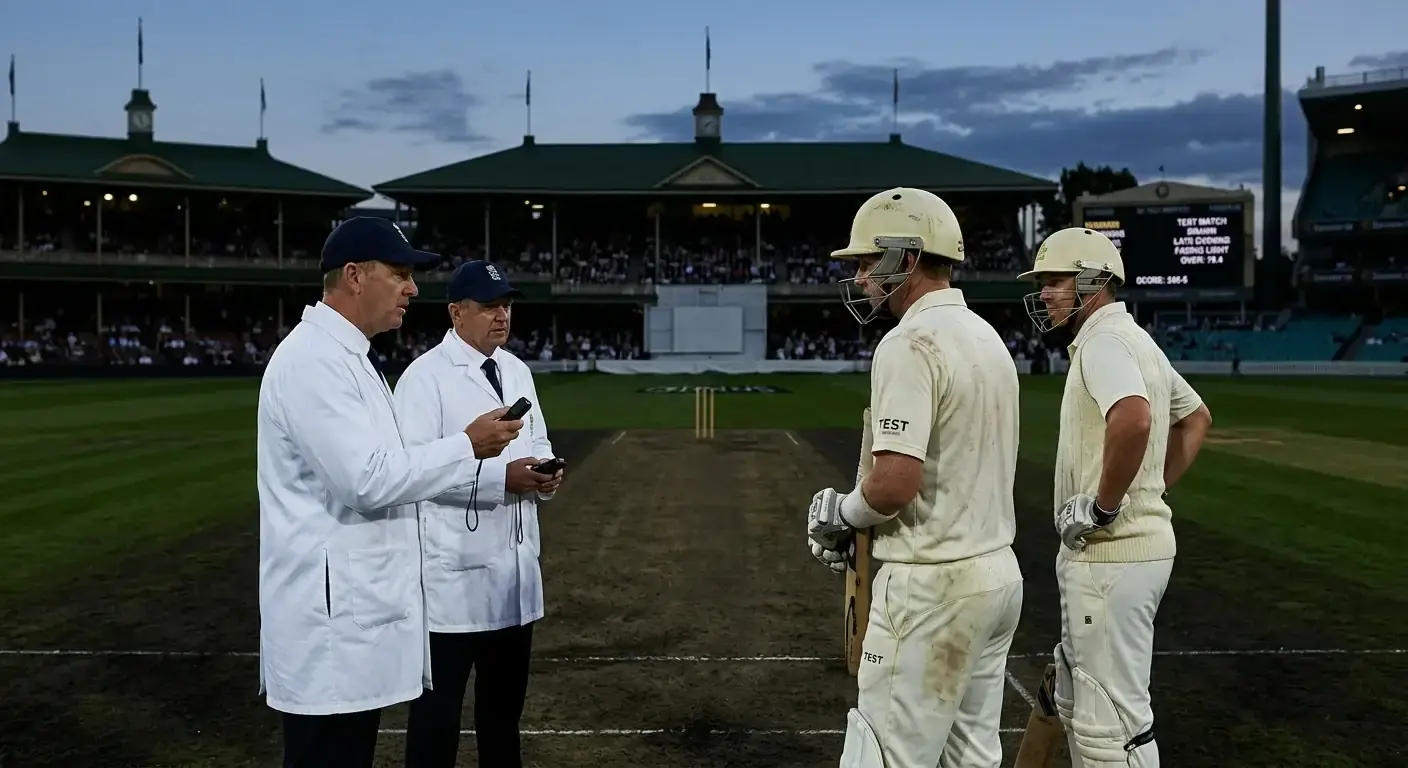
A Test match goes to a draw when there isn’t enough time to complete four innings of cricket. Three things drive that outcome: a flat pitch that doesn’t help bowlers, weather that costs sessions, and tactical batting that runs the clock. The first two are knowable on the morning of the Test. The third reveals itself across days three and four.
The draw is genuinely live in three specific scenarios. First, a flat surface with no swing or seam under blue skies, where 350-all-out first innings is the floor and 500-plus is the ceiling. Second, a fixture with rain forecast across two or more days. Third, a match where one side bats first, posts a big total, and forces the other team into a defensive third-innings approach.
The pricing mistake casual punters make is treating the draw as a single number. A 5/2 draw price on day one of a flat-surface Test in June is a different bet from a 5/2 draw on day three with one rain delay already absorbed and another forecast. Same number, very different probability. The in-running draw market is where Test betting consistently rewards attention.
One more nuance: pitches in England matter. The mechanics of draw-no-bet pricing in cricket deserve their own read for any punter who likes the favourite but wants the draw exposure stripped out. DNB is the right tool for some Tests and the wrong tool for others – the price difference between DNB and straight Match Winner tells you what the market thinks the draw probability is, and sometimes that gap is genuinely exploitable.
Star bowler spell markets
Spell-of-bowling markets are the most overlooked corner of Test cricket betting. A spell market prices how many runs a specific bowler will concede or how many wickets they’ll take in their next sequence of overs. The market typically opens after the bowler starts their spell and stays live for that contiguous block of bowling.

What makes spell markets valuable is that they remove the noise of who bowls when. The match-level Top Bowler price has to estimate not just how good the bowler is, but how many overs they’ll get and at what point in the innings. Spell markets only ask the first question – within this specific spell, what does the bowler do?
That narrower question is more answerable. A swing bowler with the new ball at Lord’s in May, against a top order with known weaknesses outside off stump, has a spell-runs distribution you can model. A spinner introduced at first change on a worn day-three surface against right-handers has a wicket-rate distribution that pays in the long run. Spell markets pay for cricket knowledge in a way that match-level markets don’t, because they isolate the part of the game the bettor can actually read.
Coverage of spell markets on UK-licensed sites is patchy. Some operators carry them through entire Tests; others only put up spells for the marquee bowlers. Exchange liquidity on spell markets is reliably thin. They are a small but durable corner of the Test betting landscape and worth seeking out when the conditions warrant them.
Putting Test bets in their place
The single piece of advice I’d give any UK punter moving from white-ball to red-ball betting is to slow down. Test matches reward fewer, better-thought-through bets than any other format. The market is wide enough to absorb a lot of casual punting, which means the patient bettor who picks two or three lines per Test – based on pitch reading, weather, squad shape and session-by-session re-evaluation – finds value the casual bettor never sees. Five days is a long time. Use it.