
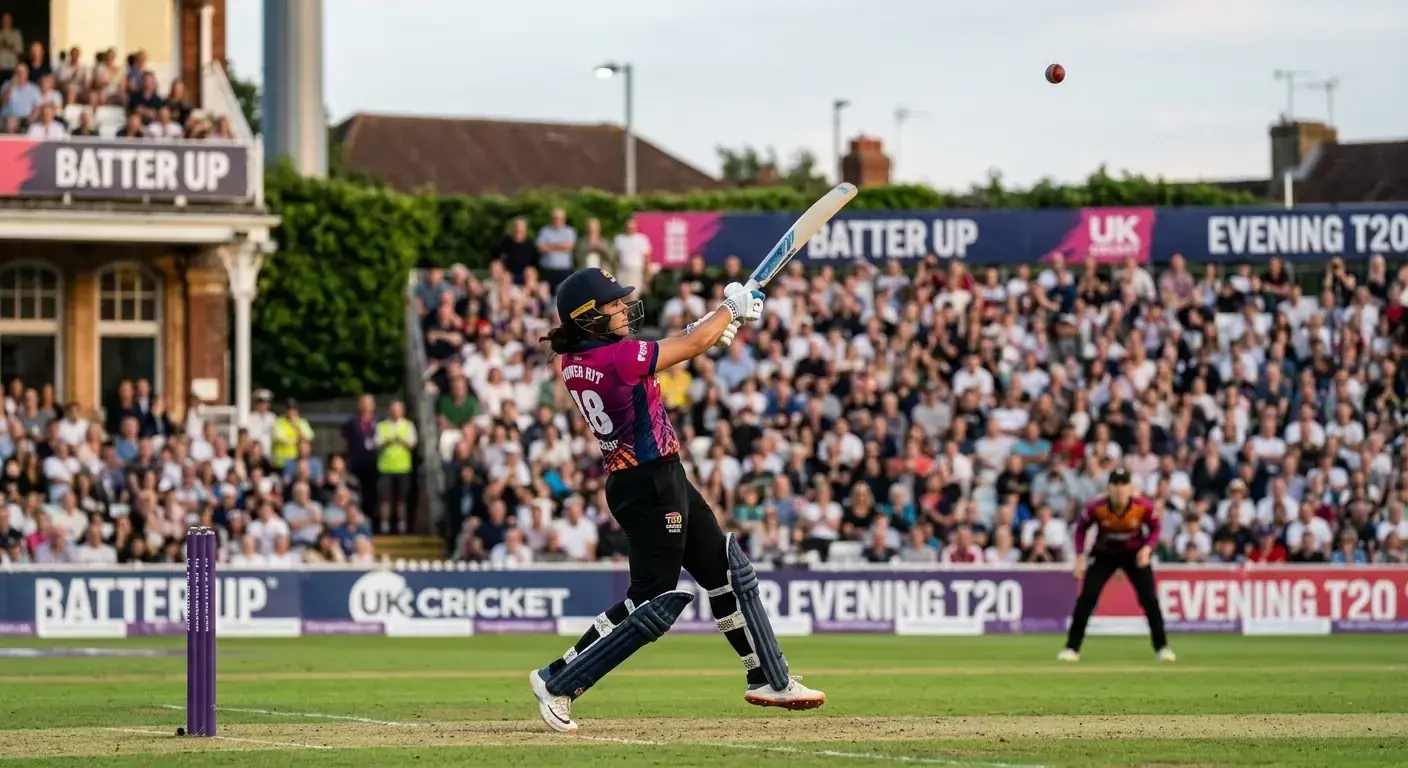

A market that wasn’t there ten years ago
The first women’s cricket match I tried to bet on, around 2014, my chosen operator told me – without irony – that they didn’t price women’s games. I had to find an exchange that did, and even there the liquidity was thin enough that any meaningful stake moved the price. That story isn’t quaint history. It’s the baseline against which the last few seasons of women’s cricket betting in the UK have to be measured.
What follows is the read for any UK punter who’s started watching the women’s game and wants to understand where the markets actually are now, not where they were when nobody was paying attention.
Coverage on UK-licensed sites
Every UK-licensed sportsbook of significant size now carries women’s international cricket – England women’s bilateral series, ICC Women’s tournaments, the Women’s Ashes, plus the Women’s Hundred and an increasing share of the Women’s Premier League in India.
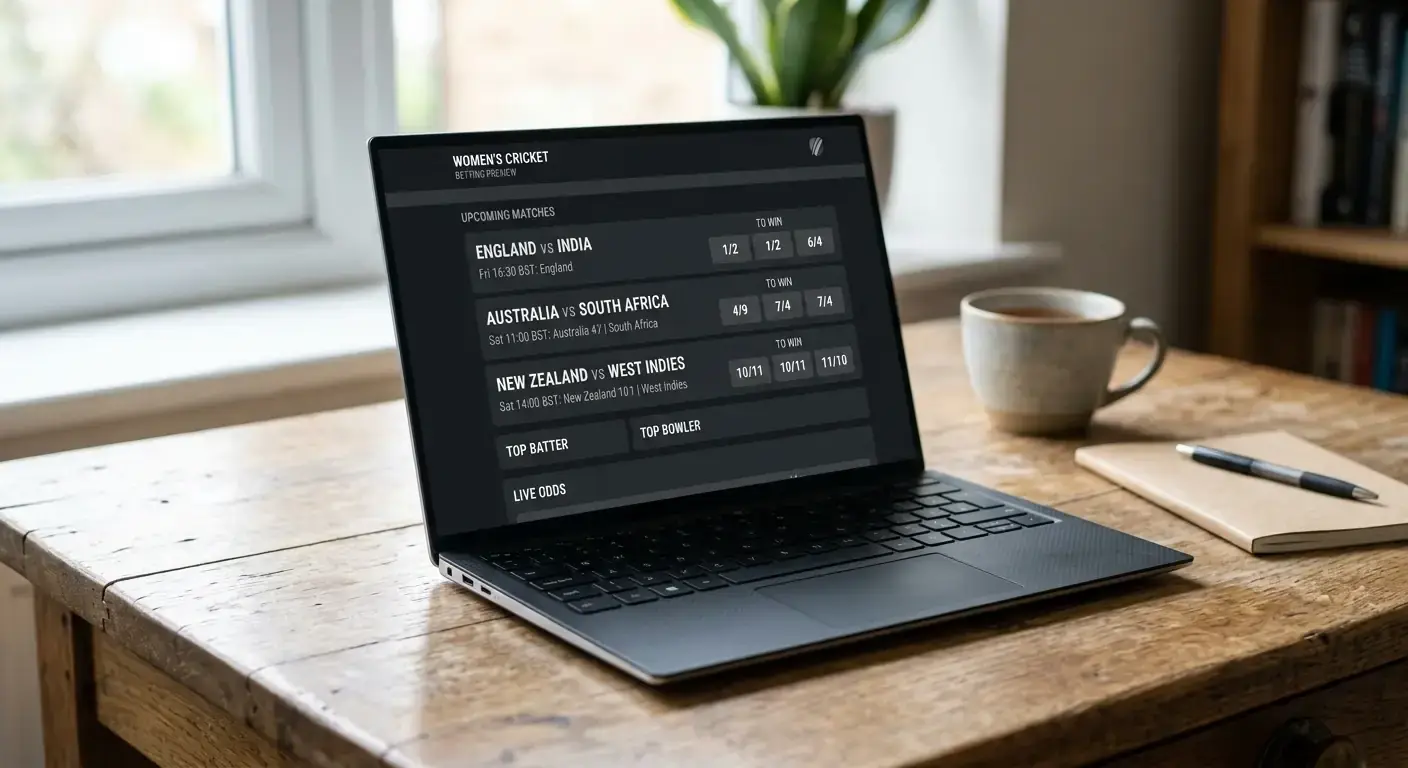
The depth varies more than the headline coverage suggests. Match Winner, Top Batter and Top Bowler are universal across UK-licensed operators for international and Hundred women’s fixtures. Run line and total runs markets are widely available. Per-over and session markets are thinner – still patchy on women’s domestic Hundred matches, more reliable on Women’s T20 World Cup games.
The structural reason for the patchiness is data depth. Bookmakers price prop markets off historical data feeds, and women’s cricket data series are shorter than the men’s equivalent for most player markets. A trader pricing a Top Batter market on a Charlotte Edwards Cup game in May has substantially less historical data to lean on than the equivalent men’s Blast game. That data gap is closing year by year, but it still shapes which props operators are willing to put up.
One quirk: the bookmaker margin on women’s match winner markets is often comparable to the men’s equivalent, but the back/lay spread on the exchange is wider. That’s a liquidity effect – fewer punters trading the market means each lay carries more weight. For exchange bettors, women’s markets are usually cheaper for back bets than for lays.
What the Women’s Hundred has done to the market
The 2025 Women’s Hundred broke the global record for total attendance at a women’s cricket tournament – 349,401 fans across the season. That headline number undersells the market consequence. Sky Sports’ coverage stayed live across every match, BBC Sport pulled record online viewing figures, and UK-licensed bookmakers responded by deepening their Hundred coverage to near parity with the men’s competition.
Vikram Banerjee, managing director of The Hundred, summarised the strategic moment: “The aim of this competition from day one was to throw open cricket’s doors and bring more people into our game – these numbers demonstrate that has been happening and everyone involved in The Hundred can be rightly proud of that.” From a market depth perspective, those open doors mean more visitors to the betting pages on women’s match days, which means tighter prices and broader prop coverage.

What used to be a token gesture – one Match Winner market and a Top Batter price – has become a proper coupon. Outright Women’s Hundred winner runs throughout the group stage with liquidity comparable to a mid-tier IPL game. Top Tournament Runs and Wickets markets are live across the whole tournament, with player prices moving game by game in a way that genuinely tracks form.
The double-header format the Hundred uses, where a women’s match precedes a men’s match at the same ground on the same day, has structural betting consequences too. Crowds for the women’s game have grown because they’re already on site for the men’s game, but the betting markets respond independently – the women’s Match Winner often sees its sharpest movement during the men’s game that follows, as captive viewers price the next afternoon’s women’s fixtures.
Women’s Ashes markets
The Women’s Ashes is the marquee bilateral cricket fixture in the women’s calendar, and it runs on a points-based multi-format structure that’s unlike any other betting market in cricket. Three T20s, three ODIs and a single multi-day Test, with points allocated for each result and the urn going to whichever team accumulates more across the series.
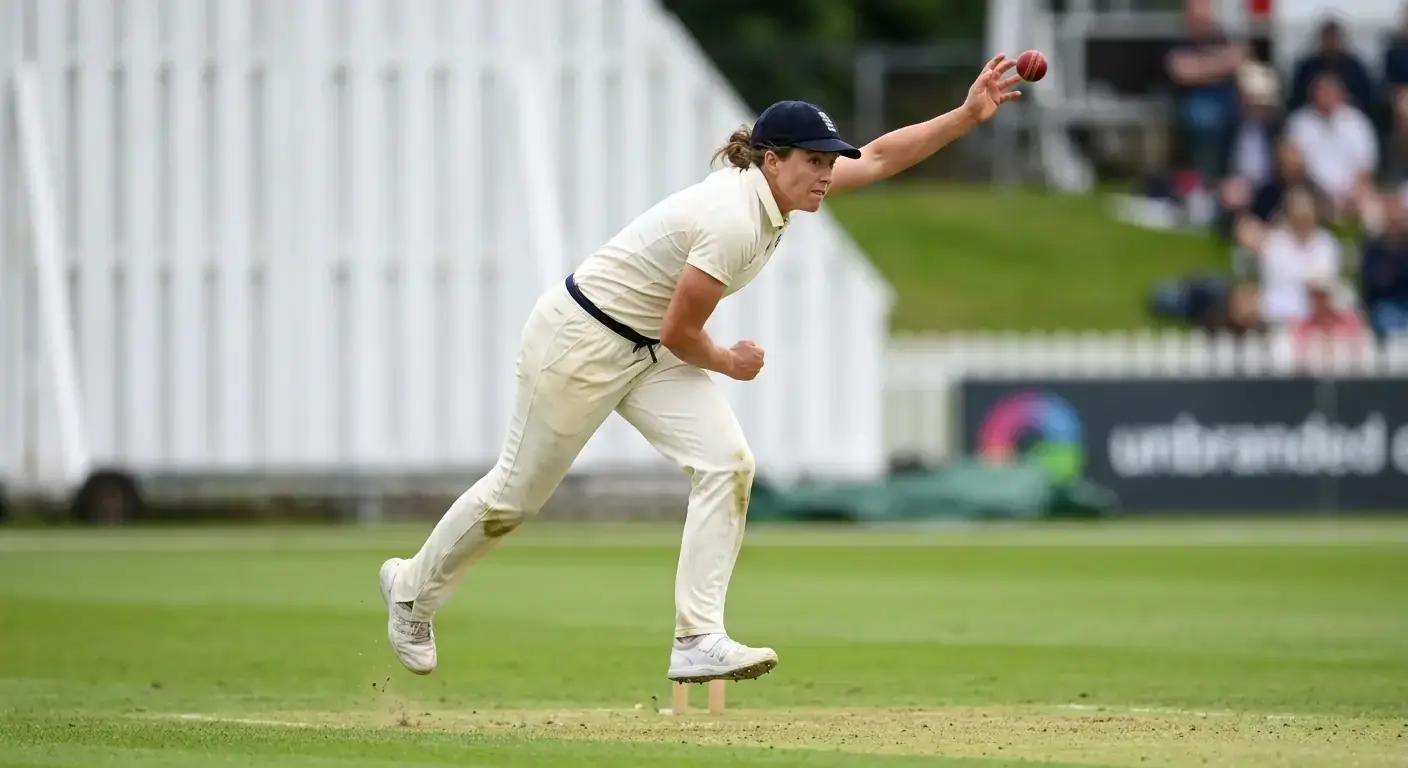
That structure changes the outright market in interesting ways. The series winner isn’t won match by match – it’s won across formats. A team that dominates T20s but loses the Test can still take the series; a team that draws every white-ball game but wins the Test can hold the urn. The outright Women’s Ashes price is the only multi-format series price in cricket, and it pays for any punter willing to model the points system properly.
Individual match markets within the series work the same as any other bilateral. Match Winner, Top Batter, Top Bowler are universal across UK sites. The Test match within the series – usually a four-day game on a flat surface – produces a draw price as a properly live third option, and a result probability around 60-70% depending on conditions. Session-by-session reading on the women’s Test, including when the draw price genuinely becomes live, follows the same logic that applies to any first-class four-day fixture in the English summer.
WPL from a UK seat
The Women’s Premier League in India is the largest single-tournament women’s cricket competition by prize money and broadcast audience. It plays across roughly three weeks each March, in time slots that work for UK afternoon and evening viewing – typically a 4:30pm Indian start, which is 11am UK time, and a 7:30pm Indian start at 3pm UK time.

UK-licensed sites cover the WPL with reasonable depth – Match Winner, Top Batter, Top Bowler, Match Total Runs are universal. Outright tournament winner is available throughout. Where the WPL coupon is thinner than the men’s IPL is in deep per-match props – fall of first wicket, runs in the powerplay, individual milestone markets are sometimes available on top fixtures but not consistently across every game.
The bookmaker margin on WPL Match Winner sits around 104-107%, which is wider than IPL but tighter than the women’s Blast equivalent. The market efficiency reflects the WPL’s relatively short history – only a few seasons of historical data versus the IPL’s nearly two decades of pricing experience.
For UK punters, the WPL is the most timezone-friendly women’s tournament outside the domestic English season. Live afternoon coverage, decent stream availability on UK-licensed sites, and a small-enough field that the eight teams are properly knowable across three weeks of cricket. The structural advice in my broader read on betting on the IPL from the UK applies cleanly to the WPL – same timezone advantage, same short tournament discipline, same selectivity rewarded over volume.
Where the women’s game is heading for bettors
The honest answer is that women’s cricket betting in the UK is in a stretch of rapid maturation. Markets are deeper than they were three years ago and shallower than the men’s equivalents. Bookmaker confidence is rising as data improves and audiences grow. The price quality is best on the marquee competitions – the Hundred, the Women’s Ashes, the WPL, ICC Women’s tournaments – and patchier on domestic T20 cricket where the broadcast picture is thinner.
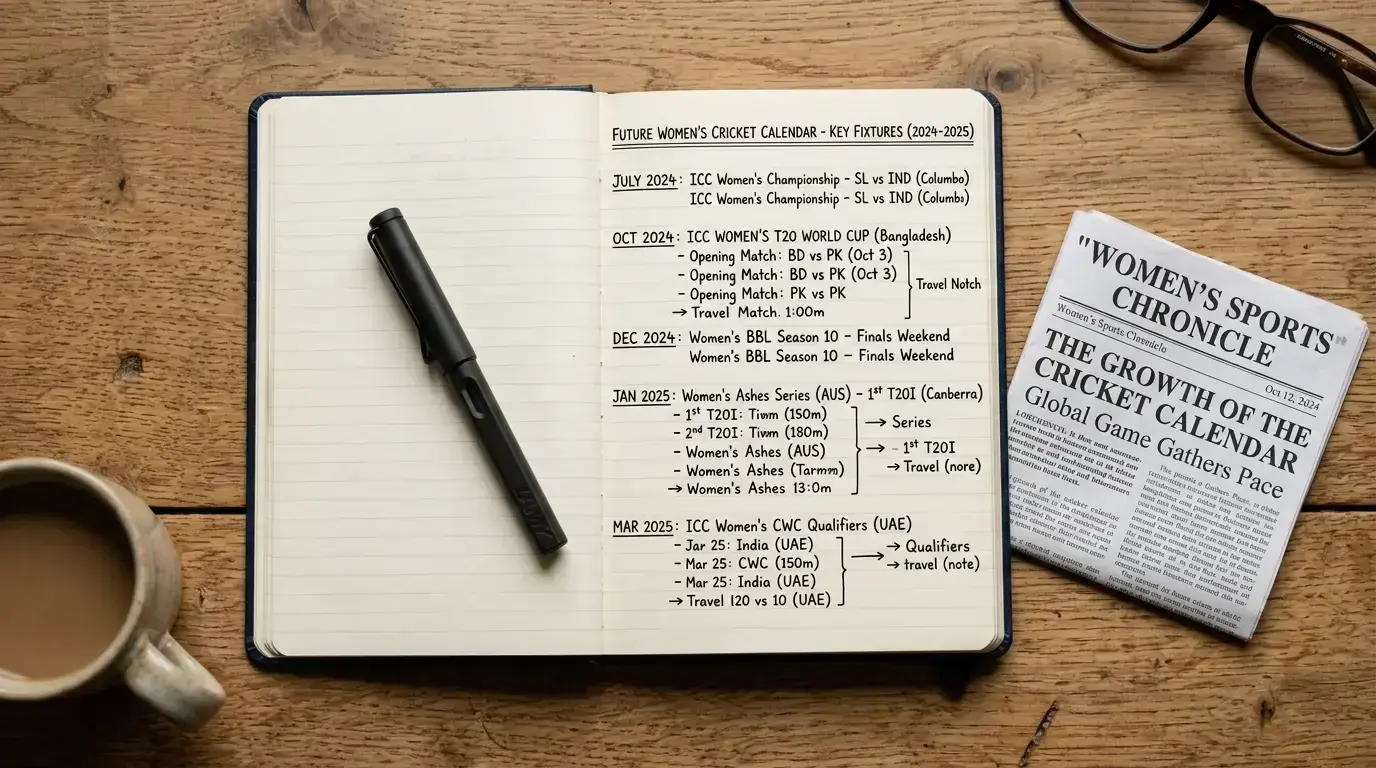
The structural advantage for a UK punter watching the women’s game right now is exactly that asymmetry between market depth and market awareness. The audience is growing faster than the trader rooms are scaling their data confidence, which means individual prop prices on women’s matches are sometimes priced more conservatively than the underlying probabilities warrant. That gap is closing. It hasn’t closed.
