
A tournament that rewards homework most punters skip
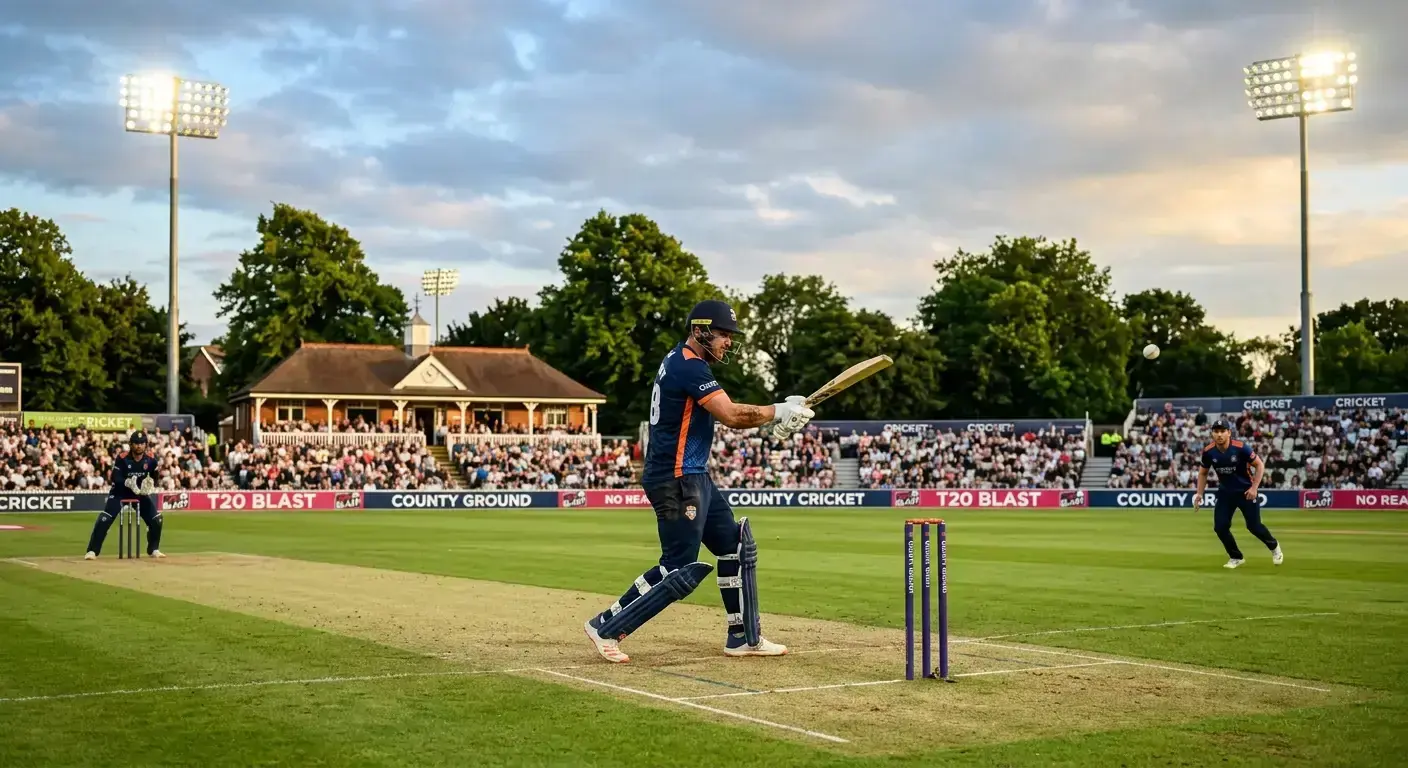
Friday nights from late May to mid-July are my favourite betting window in English cricket. The T20 Blast plays at every county ground, the crowds are loose, and the markets are full of mispriced lines because almost nobody outside the eighteen counties does the homework on second XIs, replacement overseas signings or rain-affected day-five surfaces.
This is the guide I’d give a UK punter who watches the Blast for fun and is starting to wonder whether the half-empty Northern Group market is hiding value the bigger T20 leagues don’t.
Blast format and the group geography
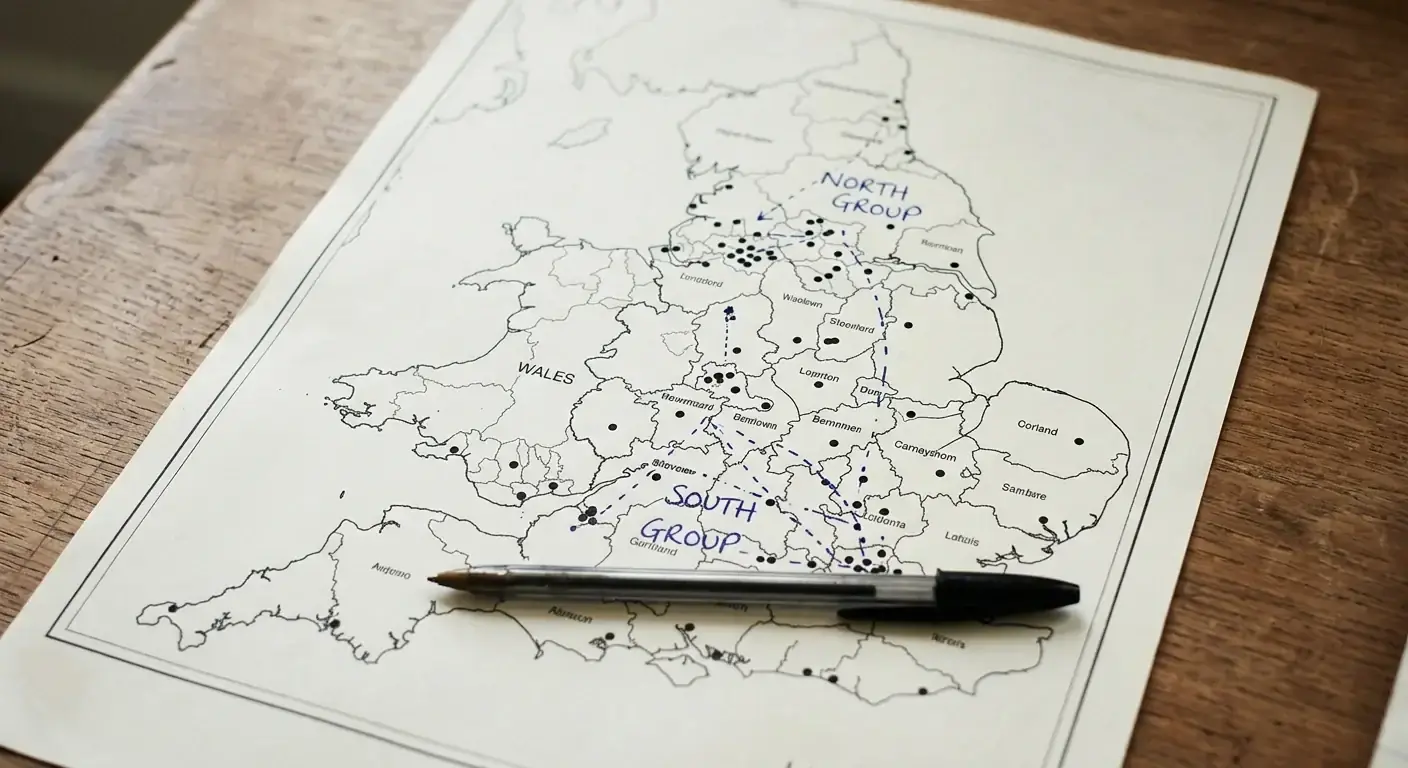
Eighteen first-class counties split into two regional groups – North and South – of nine teams each. Each side plays fourteen group games, mostly against teams within its own group, with a small handful of crossover matches. The top three from each group qualify for the quarter-finals, the eight quarter-finalists battle into Finals Day at Edgbaston, and the whole thing wraps in mid-July.
The geography matters more than the structure. The Northern Group skews toward bowler-friendly surfaces – Old Trafford, Headingley, Trent Bridge in May can offer genuine swing and seam under floodlights. The Southern Group plays on flatter, drier pitches in midsummer – The Oval, Hove and Bristol all reward batting more reliably than the northern equivalents. That north-south split shows up in run-line markets across the entire group phase. Southern Group games average about 15-20 runs higher per innings than Northern Group games. Bookmakers know this and price it in, but the magnitude of the difference still catches out punters who treat the Blast as one undifferentiated tournament.
A note on volume: the Blast carries the County Championship’s structural problem of long-form county cricket producing different demographics to white-ball cricket. Over 40% of cricket fans in the UK are aged 65 or older, a structural skew toward Test and Championship audiences, while the Blast pulls a younger, more diverse crowd into the same grounds. That demographic shift drives weekend Blast betting volume – Friday night and Sunday afternoon Blast games are the busiest county cricket trading windows of the year on UK sites.
Group stage versus knockout market shape
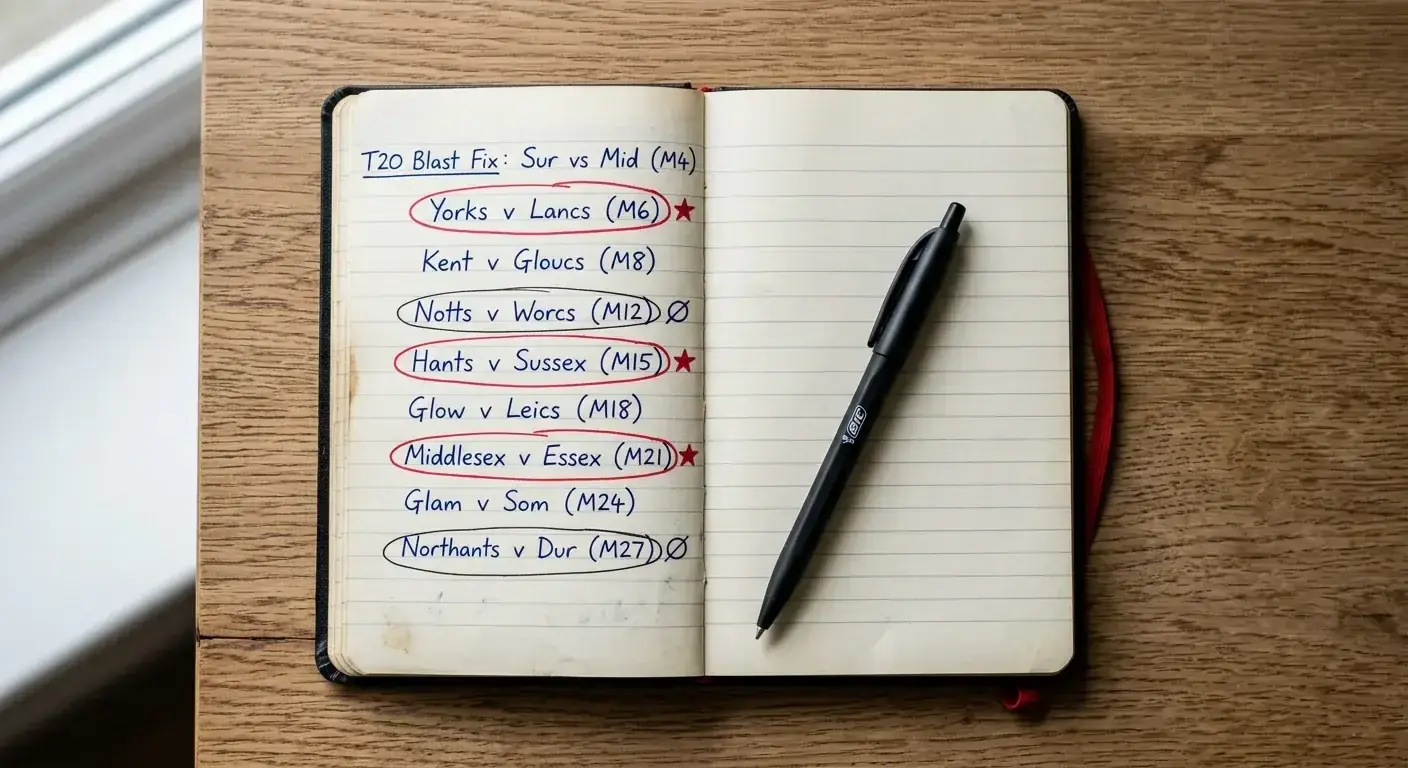
The Blast group stage is where the value lives. Fourteen games per team across six weeks, mostly under-watched outside the immediate fanbase, with prop boards that bookmakers price more conservatively than they would for a high-profile international fixture.
Match Winner margins in the group stage typically sit around 105-108%, which is wider than a Hundred or IPL game but well within the range where careful selection pays. The wider margin reflects two things: lower turnover means the trader can’t sharpen the line as aggressively, and second XI cricket has more genuine uncertainty than the international game.
Outright group winner markets open before the season and run all six weeks. The interesting feature is how often a non-favourite team wins a group – the Blast has produced six different group winners across the last three seasons, which suggests the early-season favourites are systematically over-backed. Mid-table teams at 12/1 or 16/1 to win their group at the start of the season have been good value when they have a settled top order and one reliable death bowler.
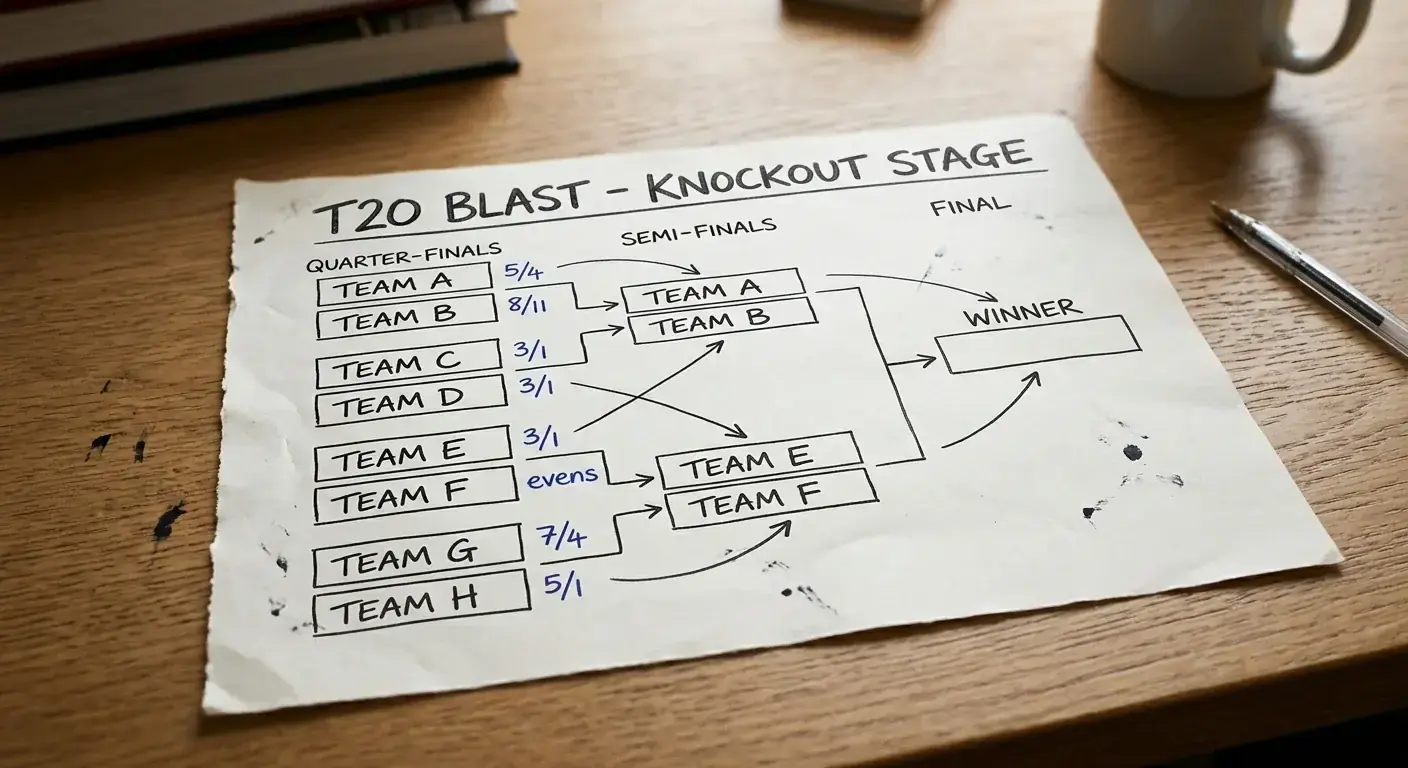
Knockout markets are a different sport. The quarter-finals are one-off games across four different venues, with Finals Day compressed into a single Saturday at Edgbaston. By the time the knockouts arrive, the market has watched fourteen rounds of cricket and the prices are sharp. Quarter-final Match Winner margins drop to around 103-104%, and the outright tournament price gets re-rated almost hour by hour during Finals Day.
Finals Day itself is the strangest betting day of the English cricket calendar. Three games in a single day, two semi-finals and a final, all at the same ground with the same pitch deteriorating across nine hours of play. The semis are pre-priced; the final outright market only opens once the second semi-final ends. Most punters bet too much across the day – I treat Finals Day as a one-bet event, picking the team whose path through the bracket gives them the best matchup advantage in the final.
Overseas signings and how they distort the prices
Each county is allowed a small number of overseas players in its Blast squad, and the variance in overseas talent between counties is the single most predictive factor in the season’s outright market. A county that signs a top-tier T20 specialist for the full season has a meaningful structural advantage. A county whose star overseas player only arrives for the last three games before international duty calls them away has a structural problem the market often doesn’t price quickly enough.

Watch the squad announcements in March and April. The signings page tells you more about each county’s tournament prospects than any pre-season form guide. A team that announces three overseas signings to cover the full fourteen-game schedule is a team built to peak in late June. A team that’s still scrambling for a stand-in opener in mid-May will struggle through the group stage no matter what their domestic talent looks like.
Player props on overseas signings have a particular quirk – the per-match availability gets murky when the player is genuinely splitting time between the Blast and other commitments. Some UK-licensed operators rate-limit or pull props on overseas players whose availability is uncertain until the morning of the match. Don’t stake on a Top Batter market featuring a touring overseas batter without confirming his name on the team sheet first.
Weather and what happens when rain shortens the game
The English summer being what it is, rain interruptions in the Blast are routine. The Duckworth-Lewis-Stern method handles match results in shortened games, but the consequences for individual bets vary by operator. The mechanics of how UK sites settle bets when a cricket match is abandoned matter especially in a T20 league where a single rain delay can take an over off each innings.
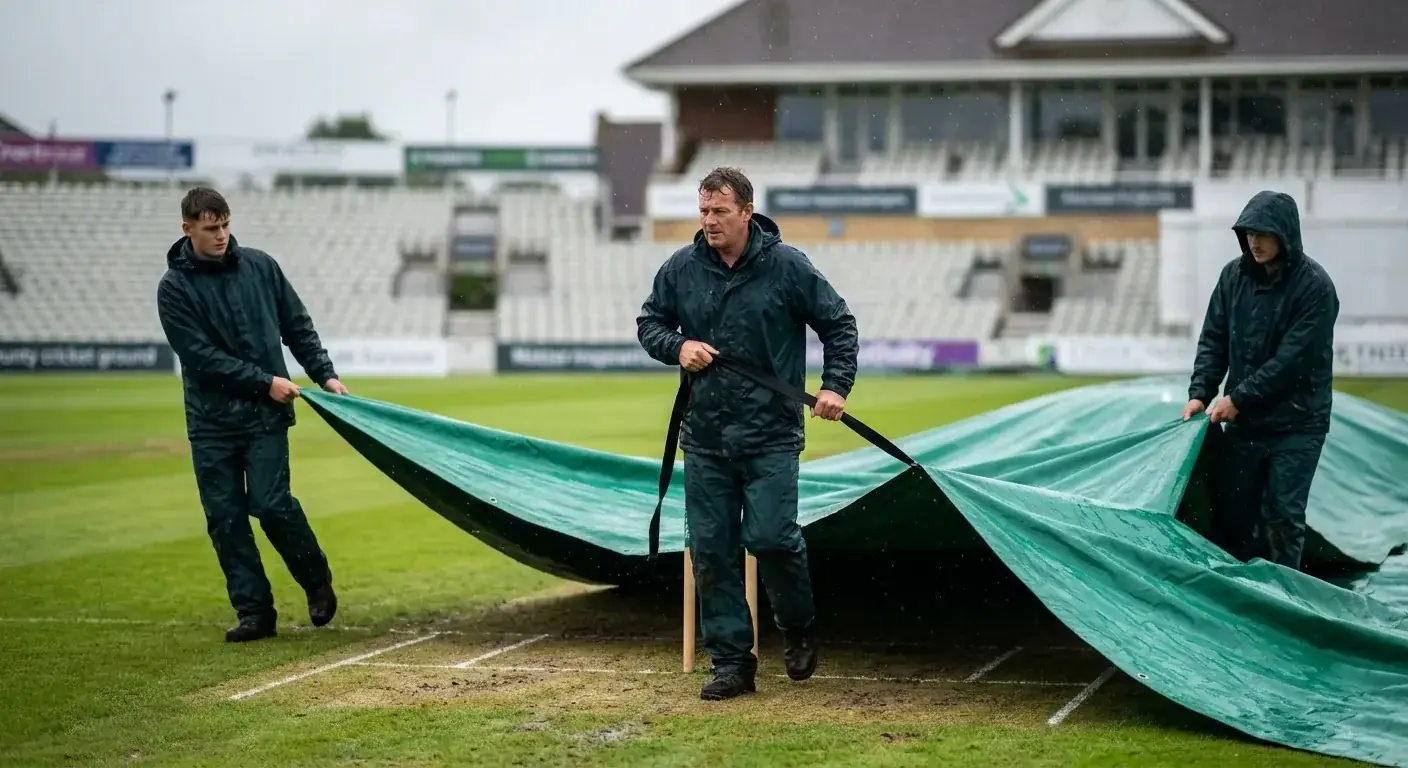
The shortcut: Match Winner usually settles on DLS regardless of how many overs are lost, as long as a minimum threshold is reached – typically five overs per side. Run line and totals markets often void if the innings is shortened by more than a couple of overs, because the line was set against a 20-over innings. Player props void if the player doesn’t bat or bowl. Prop boards on rain-shortened games can take half an hour to resettle while the trading team works through which markets stand.
One Blast-specific weather quirk worth knowing: a number of group games end up with reserve days only available on weekends. A Wednesday night abandonment usually means no result, not a replay. That changes the calculus on outright group markets – losing a Wednesday match to rain costs a county the same as any other no-result, but the volume of Wednesday-night rain affected games in a wet summer can reshape the table by mid-June.
Building a Blast season around selective betting
The Blast rewards patience more than the international game does. The tournament is six weeks long and produces 126 group games. Trying to bet every match dilutes any edge you have into the bookmaker’s overround. My own rhythm is two or three group games a week – picked because I’ve watched both teams’ previous Blast outing, I know the surface, and there’s a structural mispricing I can explain in one sentence. That last filter does most of the heavy lifting.