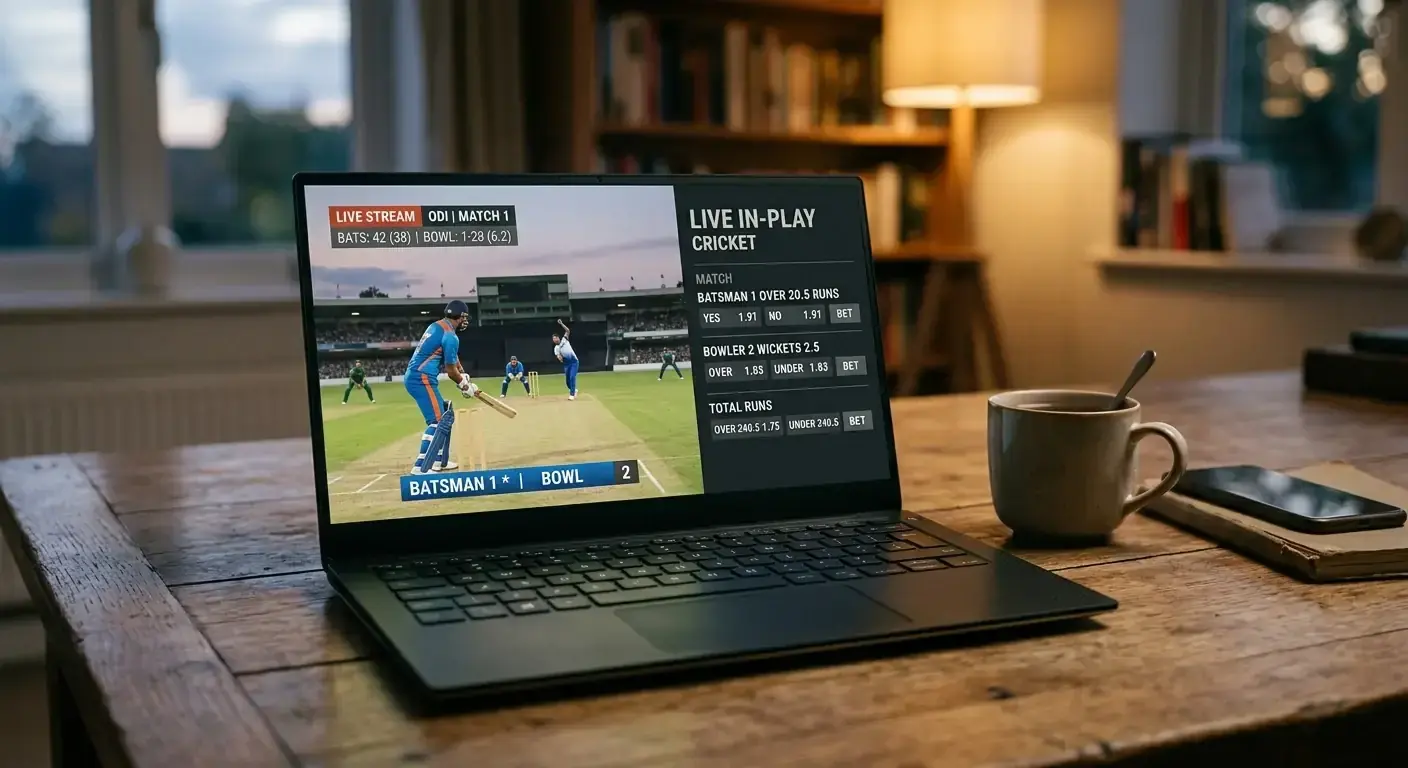

The stream you thought you’d be watching
I once spent forty minutes trying to log into a stream of a Pakistan Super League fixture from a UK-licensed site, only to discover the streaming rights for that specific tournament hadn’t been included in the operator’s package that season. The live odds were perfectly priced. The pictures were a hundred per cent unavailable. That experience taught me what every UK cricket bettor eventually learns: streaming and pricing are different products from different rights holders, and the gap between them shifts every season.
This is the read for any UK punter who’s noticed how patchy live streams have become and wants to understand what’s behind the inconsistency.
How streaming rights actually work
Cricket broadcast rights are sold tournament by tournament, format by format, and region by region. The ICC sells global rights to its events to broadcasters like Star Sports India, Sky Sports UK and TNT Sports. National boards – the ECB, Cricket Australia, the BCCI – sell their domestic competition rights separately. T20 franchise leagues run their own deals.
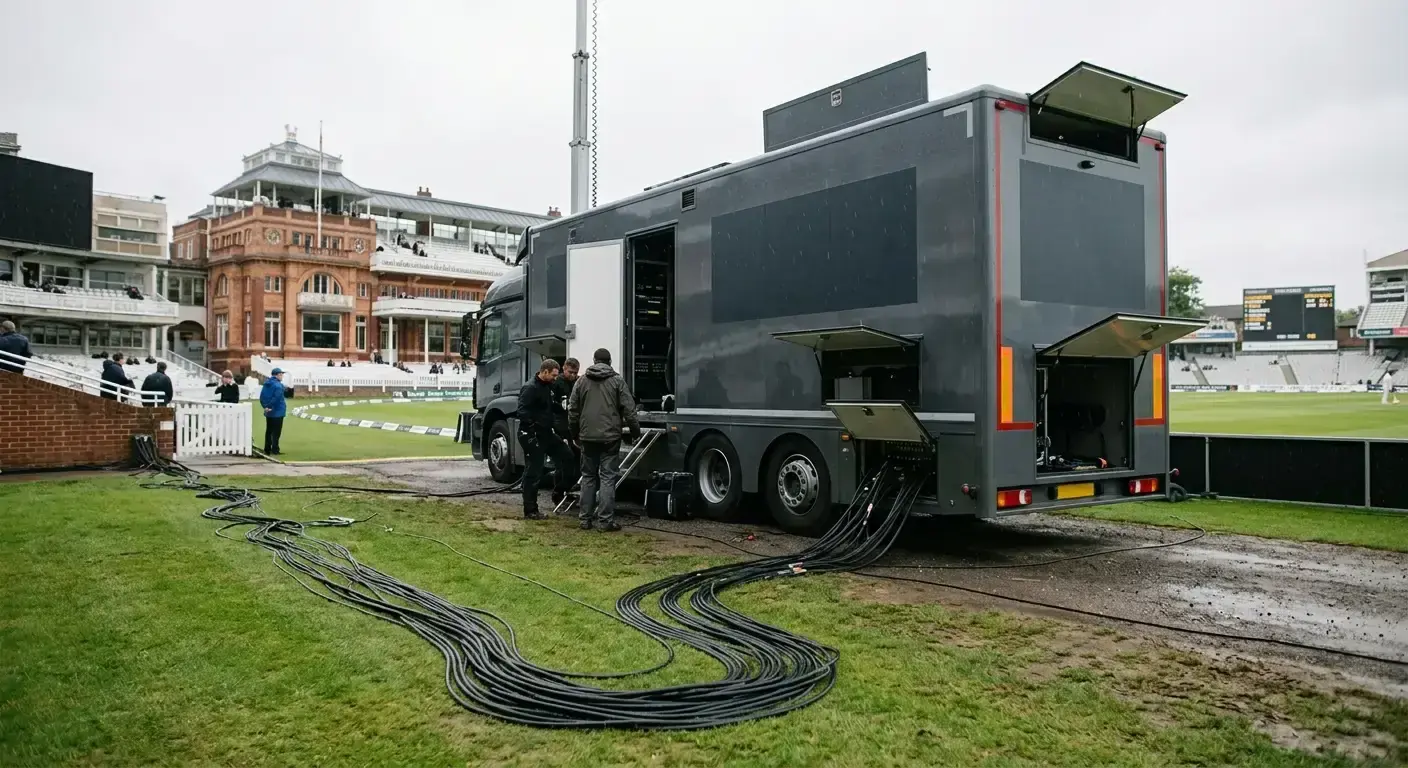
UK-licensed betting operators can then negotiate sub-licensed streaming rights from those primary broadcasters, but the negotiation is fragmented. An operator might have rights to stream The Hundred (sub-licensed from Sky) but not the Pakistan Super League (sub-licensed from Pakistan’s broadcaster) or the West Indies Caribbean Premier League (sub-licensed from a different chain again). The result is a streaming page where some tournaments are live and others are conspicuously absent.
The economics push toward fewer, bigger streaming partnerships. The Hundred TV rights moved from £37.8 million per year in 2024 to £54.3 million per year for the 2025-2028 cycle, with the higher fees funding a richer broadcast and tighter sub-licensing terms. Sky Sports’ coverage of The Hundred attracted a 38% audience uplift in 2025 versus 2024 – and BBC Sport pulled 2.2 million online viewing requests, up from 1.6 million the previous year. That broadcast scale gives the primary rights holders meaningful leverage in sub-licensing negotiations, which can mean tighter restrictions on what betting-site streams can offer.
The ECB Code of Conduct on gambling sponsorships, in force from the 2025 season, adds another layer. The code restricts gambling sponsorship in cricket to UK-licensed operators or those with white-label UK partners. The ECB framed the broader intent clearly: “The Code of Conduct signifies a strong commitment to balancing commercial partnerships with gambling companies while protecting the integrity of cricket.” Streaming partnerships fall within the broader sponsorship landscape, and the code shapes which operators can secure cricket-aligned streaming deals at all.
Watch and bet eligibility
Most UK-licensed cricket streams operate under a watch-and-bet model. You don’t pay a subscription for the stream itself – instead, you have to meet operator-specific conditions, typically one of two things. Either you have a funded account with money on deposit, or you’ve placed a recent bet on the event in question.
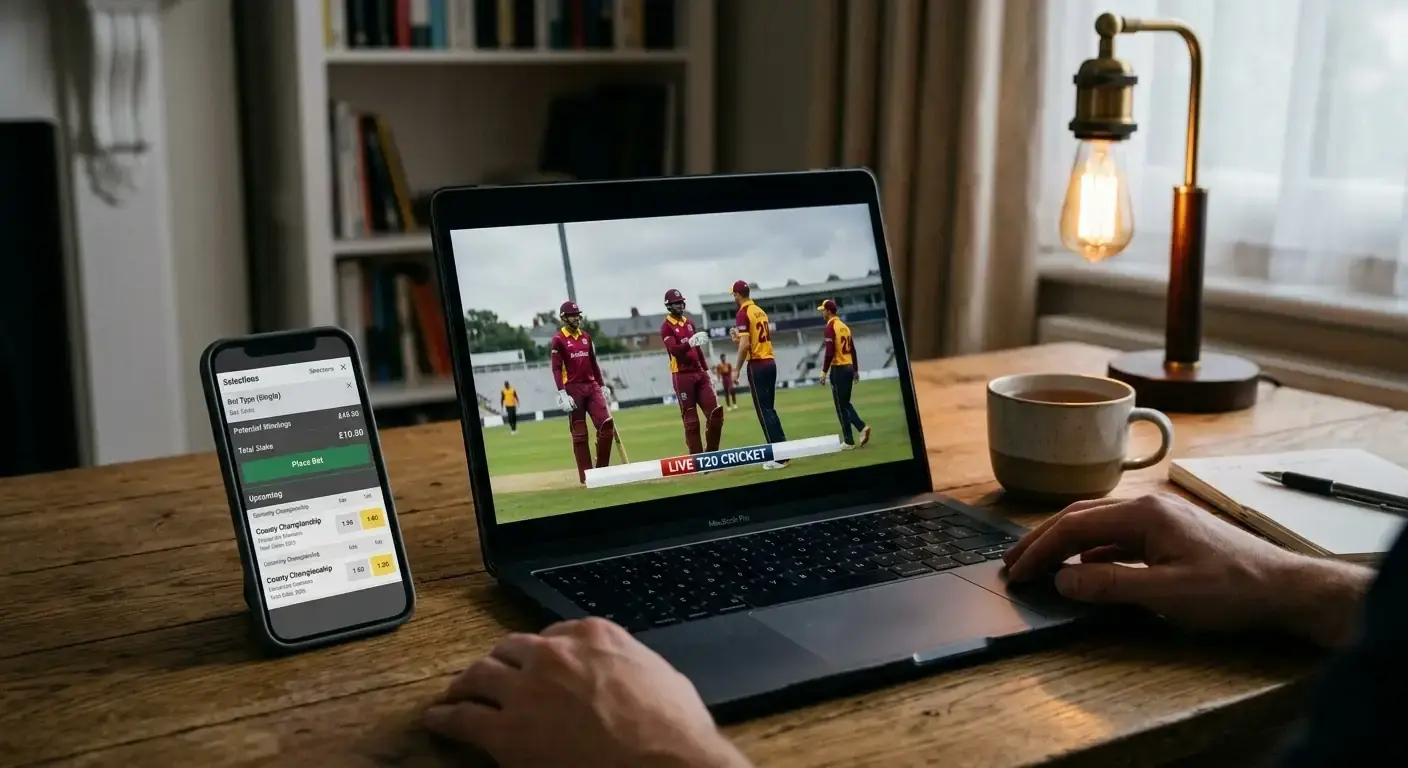
The exact thresholds vary by operator and by tournament. Some sites require a minimum deposit of £5 to unlock cricket streaming. Some require a bet of any size on the specific match. Some require a bet placed within the previous 24 hours on any cricket market. The watch-and-bet eligibility page on each operator is where the actual rules live – not the marketing copy.
One quirk worth knowing: streaming eligibility resets between sessions for some operators. A bet placed on yesterday’s match might unlock today’s stream, or it might not – depending on the operator’s specific rules. If streaming matters to your in-play decisions, check the eligibility window before you settle on a fixture.
The watch-and-bet structure has a clear commercial logic. The operator pays for the streaming sub-licence and recovers the cost through the betting margin on punters who’ve placed stakes. Free streams without a betting requirement are rare on UK-licensed sites for that exact reason – the unit economics only work when streaming drives betting volume.
Latency versus broadcast
Every cricket stream you watch on a UK betting site has a delay. The stream goes through compression, transcoding and content delivery network distribution before it reaches your screen. The total delay is typically 15-45 seconds versus the action on the field, and that delay is meaningful for in-play betting.
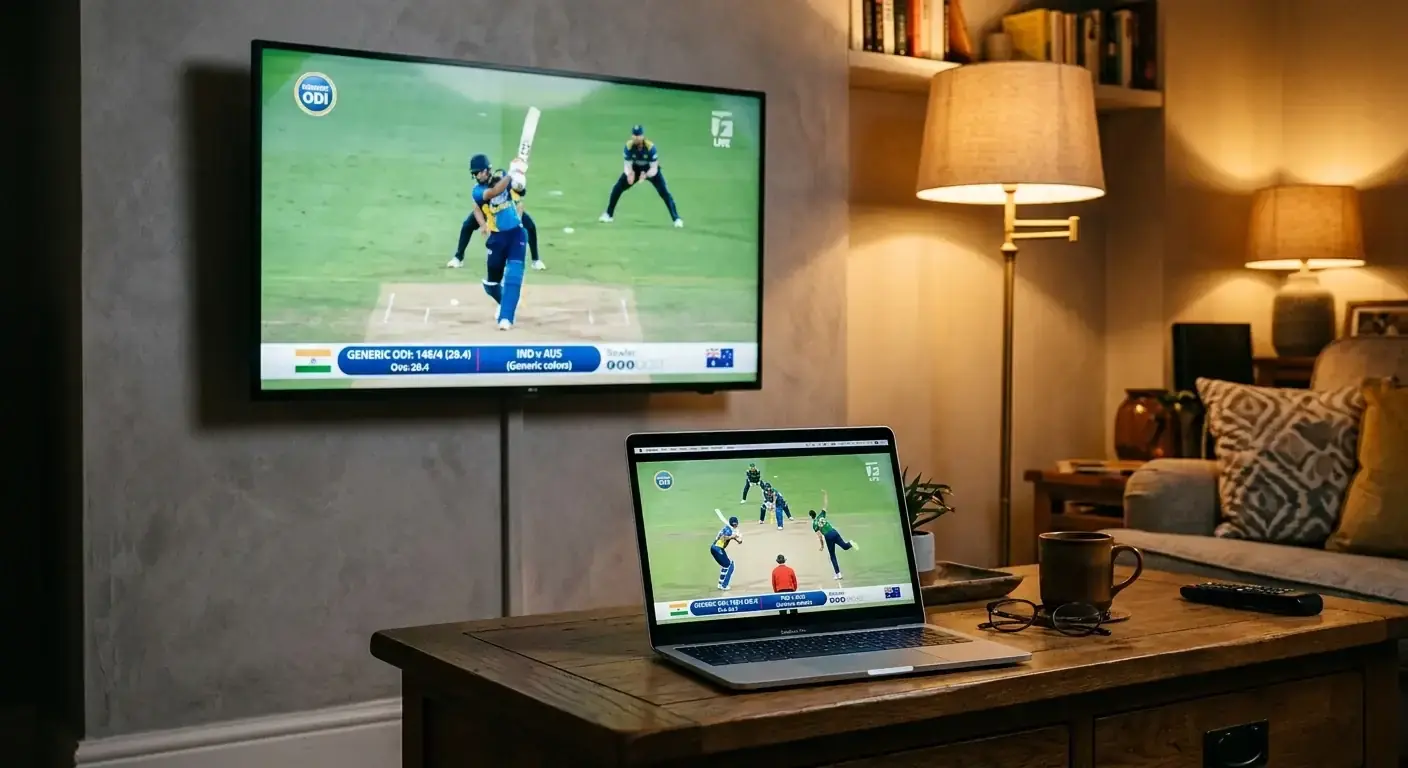
The structural problem is that the bookmaker’s in-play pricing usually runs faster than the punter’s stream. The trader sees the live ball data feed within a second or two of the ball being bowled. Your stream catches up 30 seconds later. By the time you’ve seen a wicket fall on the screen, the operator has already updated the prices, and any cash-out value you might have wanted to grab has been recalculated.
That latency gap is why professional in-play cricket bettors don’t bet from streams – they bet from data feeds or from broadcast pictures that come through faster channels. The retail stream is for the casual viewer who wants to watch the match. It’s not a tool for sharp in-play exploitation.
The honest reading is that the stream gives you the cricket experience while the operator’s pricing reflects what’s already happened. Watch the stream for enjoyment; bet against your read of the cricket, not against the price moves you can see in real time.
Streaming coverage by tournament
UK-licensed sites cluster their streaming around the events that drive betting volume.
The Hundred has the most reliable streaming coverage. Multiple UK operators offer full live streams of every group-stage match, with strong picture quality and consistent watch-and-bet eligibility. The 2025 audience numbers and the longer-term broadcast deal mean Hundred streaming is now treated as a flagship product across UK-licensed bookmakers. Detailed coverage of how Hundred-specific betting markets respond to that audience growth sits in my read on betting on The Hundred in the UK.
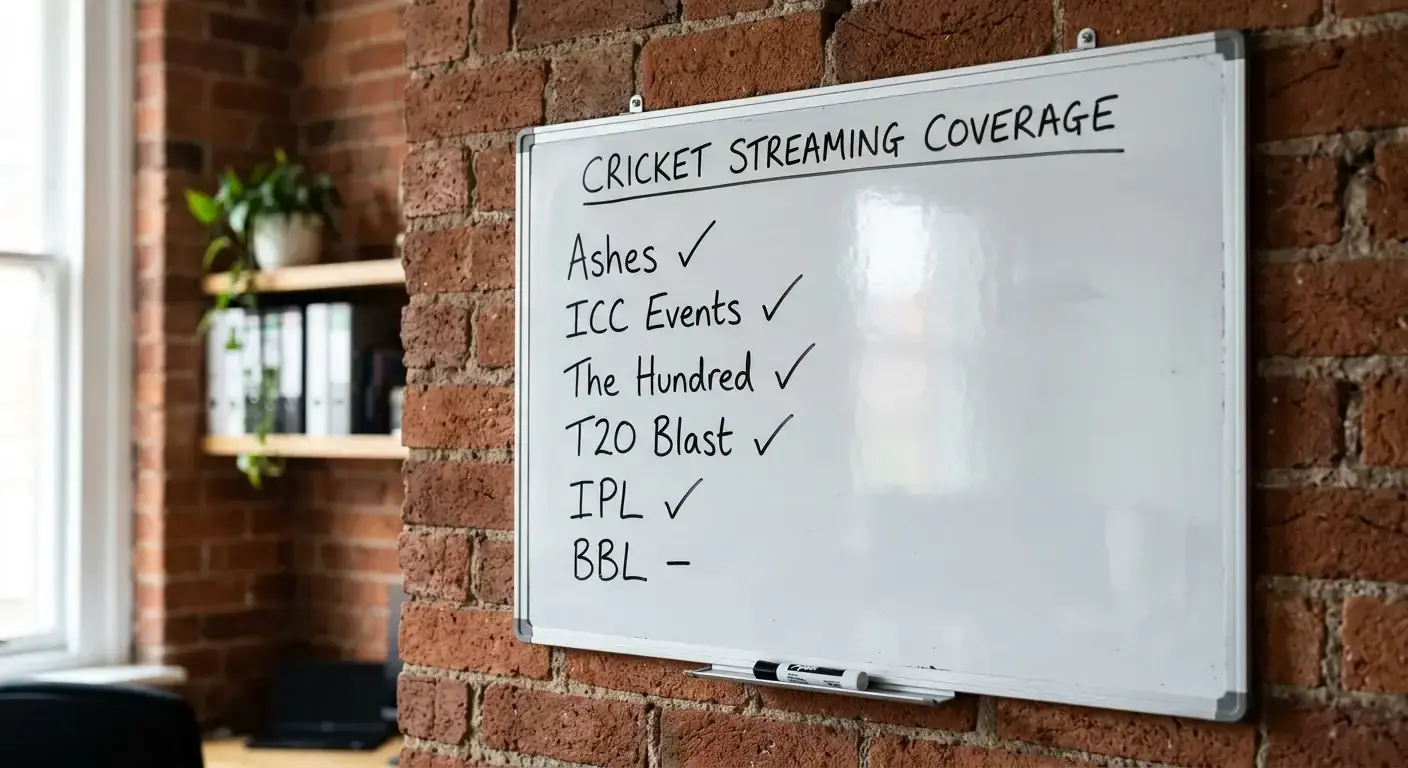
IPL streaming is broadly available but rights-dependent year by year. Some seasons every match streams on UK-licensed sites; some seasons coverage drops to selected fixtures only. Check the operator’s streaming page in the week before the tournament starts.
International cricket – Tests, ODIs and T20Is – has the most variable coverage. Big bilateral series involving England, Australia or India are usually streamed across multiple UK sites. Smaller bilaterals (Bangladesh-Zimbabwe, Ireland-Netherlands) are often unavailable for streaming on betting sites because the underlying broadcast rights haven’t been sub-licensed at any meaningful scale.
ICC tournaments – World Cups, Champions Trophy, Women’s T20 World Cup – usually have wide streaming coverage on UK sites, because the ICC sub-licenses streaming rights more broadly than national boards do.
Domestic English cricket – County Championship, T20 Blast, Royal London Cup – has thin streaming coverage on betting sites. Most county cricket is broadcast through the ECB’s own streaming platform rather than sub-licensed to bookmakers. If you want to watch a Championship match while betting, you’ll usually need a separate subscription to the broadcast feed.
Smaller franchise leagues – Pakistan Super League, Bangladesh Premier League, Caribbean Premier League, Big Bash League – have wildly variable UK streaming coverage. The Big Bash often streams reliably; the PSL and CPL are season-dependent. Don’t assume the stream you used last year will still be there this year.
How streaming actually fits into a UK cricket betting routine
The honest summary is that streams are supplementary to good betting, not central to it. The latency gap between stream and live price means you can’t realistically out-trade the bookmaker using stream pictures. What streams do well is keep you engaged with the cricket – and engaged punters make better bets than disengaged ones. Watch the stream because cricket is good to watch. Bet against your read of the match, the conditions, and the squad shape. The two activities support each other; they’re not the same activity.