
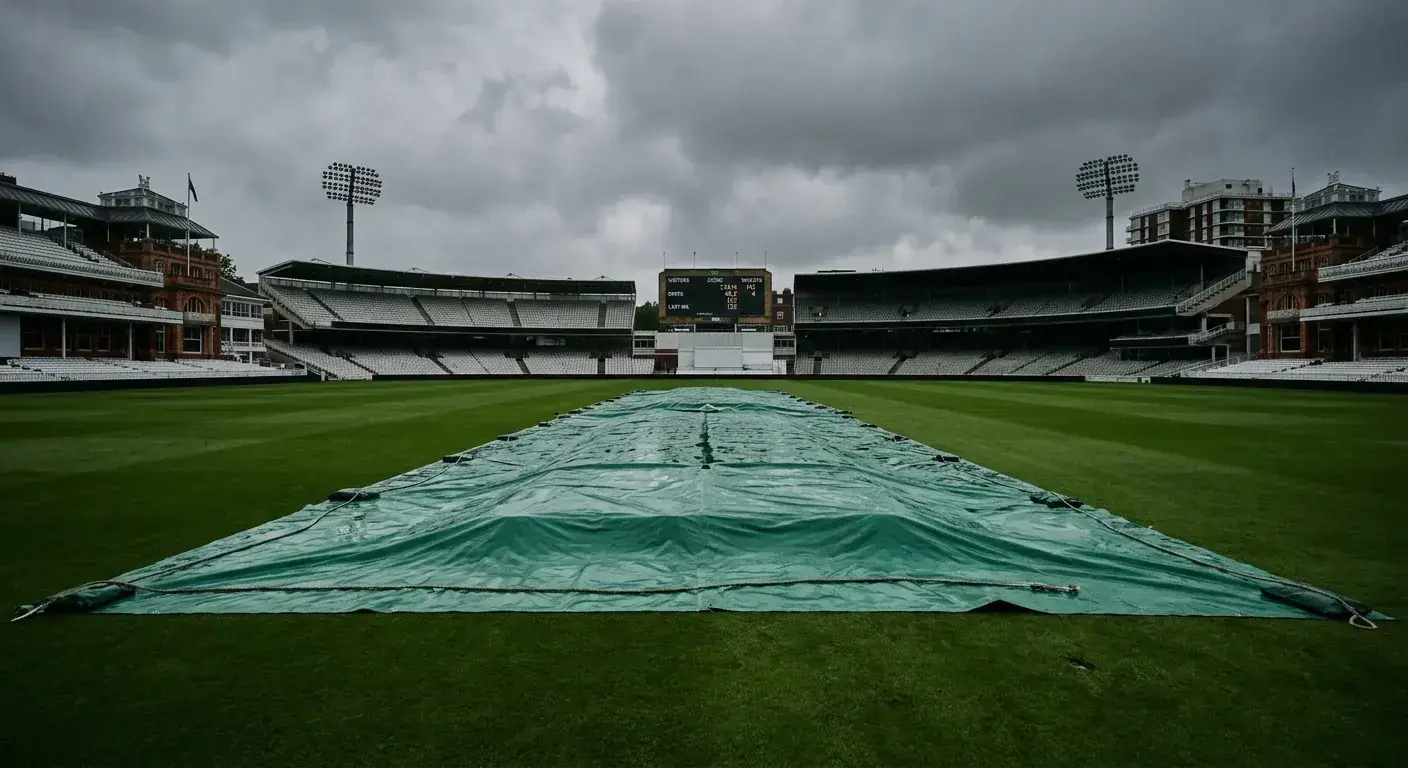

The Old Trafford morning that taught me to read the small print
Manchester, July a few years back. I’d built a six-leg bet builder across an ODI with what felt like genuine edge – England top batter, two specific run brackets, total fours over a line, a wicket method in the first powerplay. Conditions were promising at the toss. Forty minutes into the first innings the heavens opened, never relented, and the match was called off with thirteen overs bowled. I went into the settlement screen expecting a void return. Half my legs settled, half didn’t, and one paid out as a loser because the threshold had already been crossed. That was the moment I learned that “abandoned match” doesn’t mean one thing in UK betting – it means whatever your operator’s rulebook says it means, and those rulebooks vary in ways that matter for cricket more than for almost any other sport.
This piece is about how UK-licensed sportsbooks actually settle bets when a cricket match is abandoned, rain-affected, or shortened by Duckworth-Lewis-Stern adjustment. The settlement logic is more rule-bound than most punters realise, and the differences between markets and between operators are exactly where money is gained and lost when weather intervenes.
What “abandoned” technically means
The cricket calendar has more abandoned matches than any other major UK betting sport, which is why this corner of the rulebook is unusually developed. An abandonment is the formal declaration by the umpires or match officials that play cannot continue and no result can be produced – distinct from a delayed start, a shortened format that still completes, or a DLS-adjusted finish. The distinction matters because settlement treats each of these scenarios differently. A match that starts late and finishes under DLS is a completed match. A match that begins but doesn’t reach the threshold for a result is an abandonment. A match that never begins is unplayed and settles uniformly under void rules.
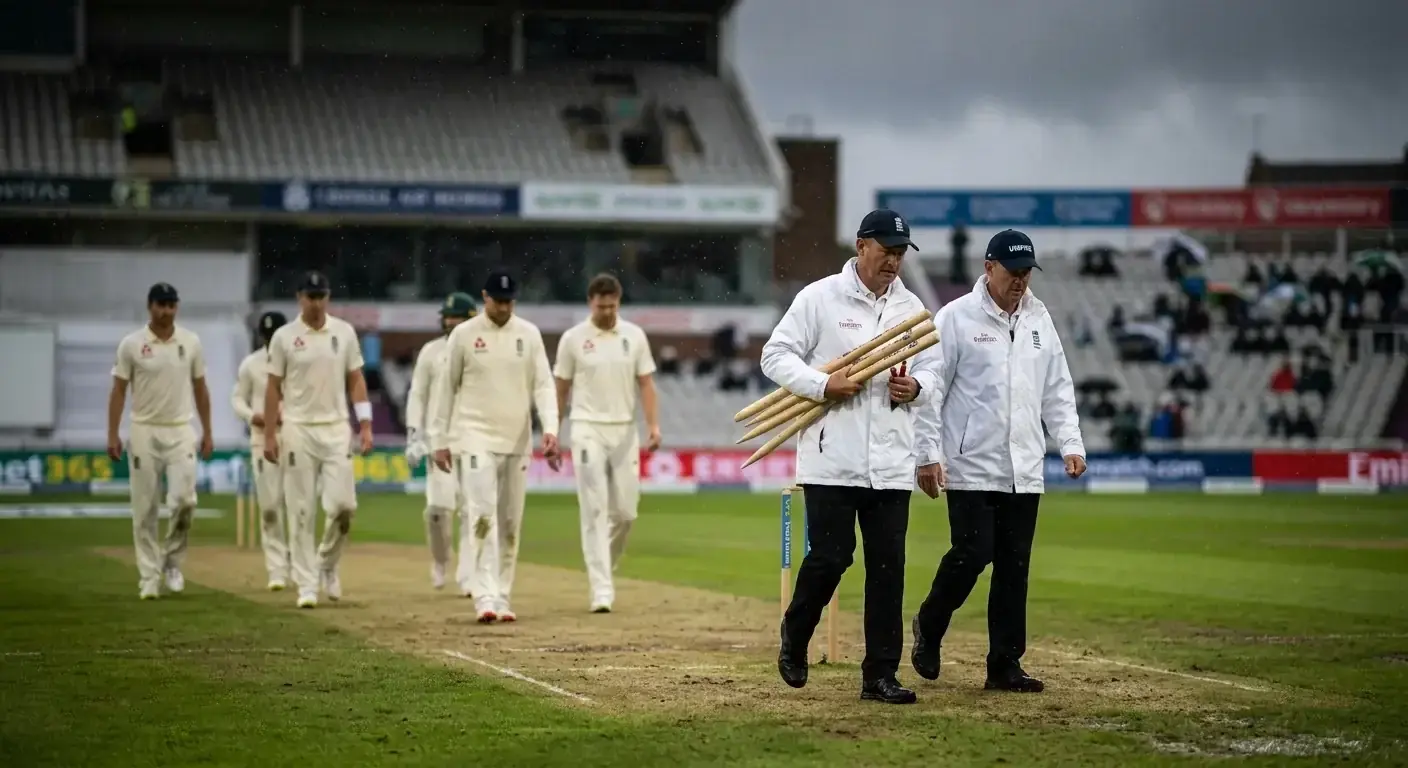
UK Gambling Commission-licensed operators publish their cricket settlement rules in their terms and conditions, typically running to several pages. The variation is real. Some books void all match markets if the game is abandoned at any point before a result. Others settle markets that have already been “determined” – meaning the outcome can no longer change regardless of further play. Top batter markets where one batter has scored 80 and no other batter in the team has batted yet might settle on the player with 80, even if the match itself is abandoned. Or they might void. It depends on the book.
The threshold concept
Most match-result and total-runs markets have what’s called an “overs threshold” – a minimum number of overs that need to be bowled for the market to stand. In limited-overs cricket, this typically follows the official DLS minimum that allows a competitive result. For ODIs, that’s usually 20 overs per side. For T20s, 5 overs per side. For The Hundred, the threshold is set per the competition’s own playing conditions. If the match is abandoned before the threshold is reached, the market voids and stakes return. If it reaches the threshold, the match has a result and the market settles on that result, even if dozens of scheduled overs were lost.
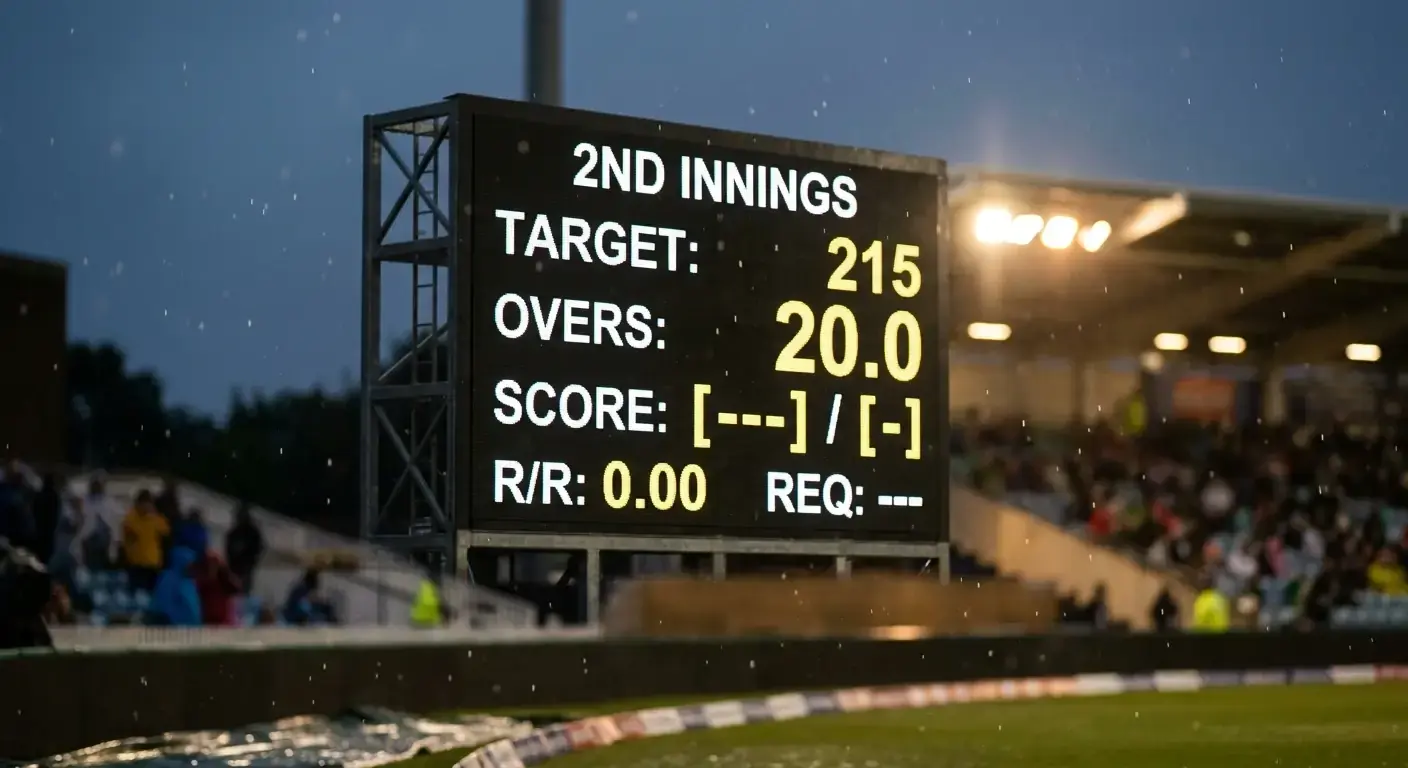
I learned this the patient way during a T20 Blast game where 5.2 overs were bowled in a chase before persistent rain. The match was abandoned with no DLS result possible. My match winner bet voided. The “first innings total over 90” bet had already been determined – the first innings had completed at 175 – and that one settled as a winner. The “match completed” market was a different beast again: some books void completed-related markets on abandonment, others settle them on whether the originally scheduled completion happened. The lesson was consistent. Read each market’s specific rule rather than assume “match abandoned = all bets void.”
How specific markets behave
The behaviour is market-specific in ways worth memorising. Match result markets generally need the overs threshold to be reached. Top batter and top bowler markets often require that the relevant side has batted or bowled their full allocation, or at least that both options being compared have had equivalent opportunity – a top batter market voids if one team’s innings is curtailed mid-stream and the other isn’t. Total runs and total wicket markets sometimes settle if the over/under threshold has been determined regardless of completion, but only if the line has been crossed in a way that can’t reverse.

Method of dismissal markets – the first wicket falls caught, bowled, LBW, run out – settle the moment that wicket falls. Once determined, weather can’t void them. Player props with specific milestones (a fifty, a wicket, three sixes) settle as winners the moment the milestone is reached and lose when it becomes impossible. Where they sit in limbo, abandonment generally voids them, but the specific T&C wording is what controls the outcome.
UK cricket betting has grown alongside this rulebook complexity. The Gambling Commission’s quarterly figures show the remote sports betting market generated £2.4bn in gross gambling yield for the year to March 2025, and cricket sits as one of the top five sports by handle across UK operators. The volume justifies the rule development. With around 21% of UK cricket fans betting in the past 12 months according to recent industry research, the settlement logic gets stress-tested constantly across rain-prone English summers.
DLS shortened matches versus abandonment
The crucial distinction in limited-overs cricket is between a match that’s been shortened by DLS but still produces an official result, and one that’s abandoned. DLS-shortened matches are completed matches. The result stands, the par score governs the outcome, and bets settle on what happened. A match where England chased a revised 178 in 38 overs is a completed England win, not an abandonment, even if the original target was different and the overs allocation changed twice during rain breaks. Match winner, total runs, top batter – all of these settle on the actual result.
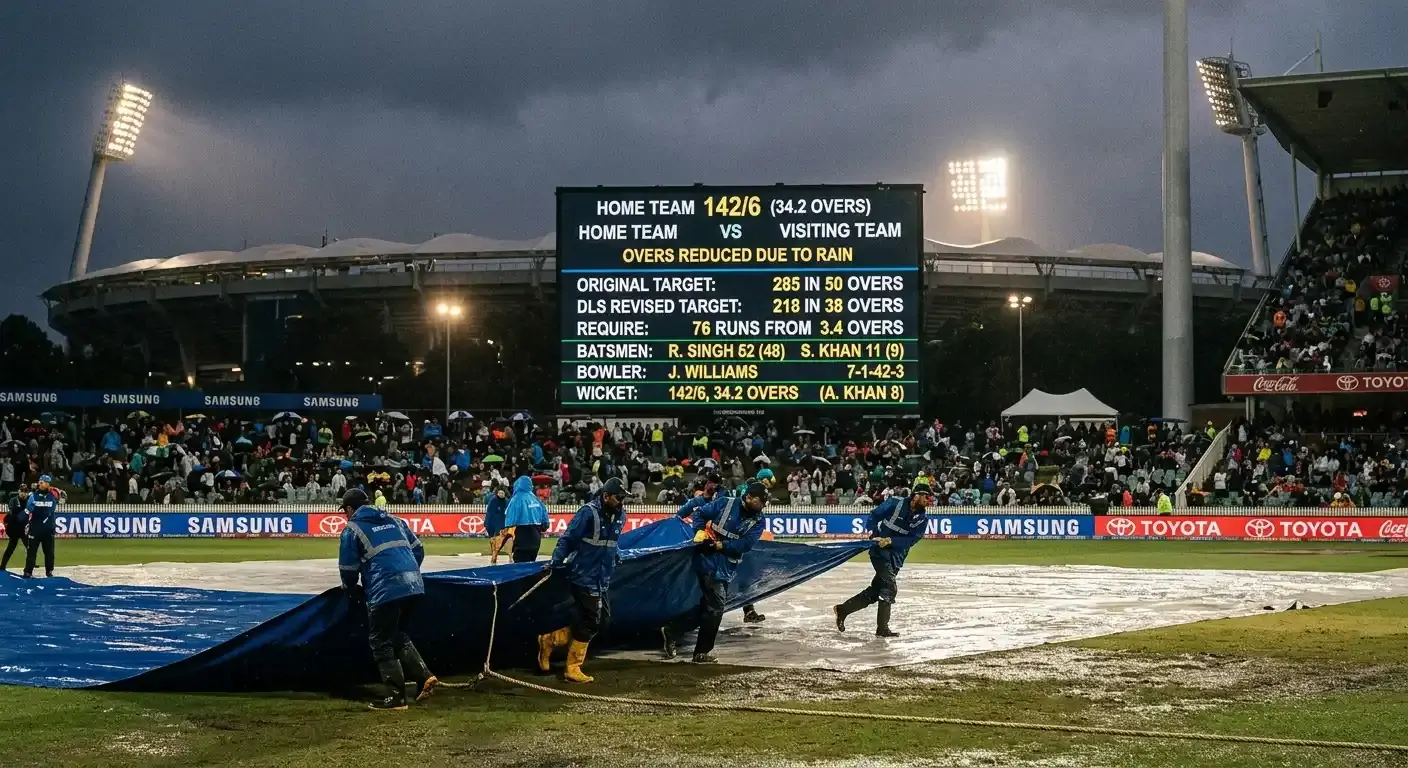
This means a punter who knows DLS rules has an information edge during rain interruptions. Knowing that a match has reached the overs threshold and that DLS has produced a par score allows you to assess whether your bets are safe well before settlement screens update. The corollary is that abandonment is genuinely different. If overs are lost in a way that can’t be made up and the match doesn’t reach the minimum threshold, the result is a no-result, the books void affected markets, and stakes return.
Where books diverge
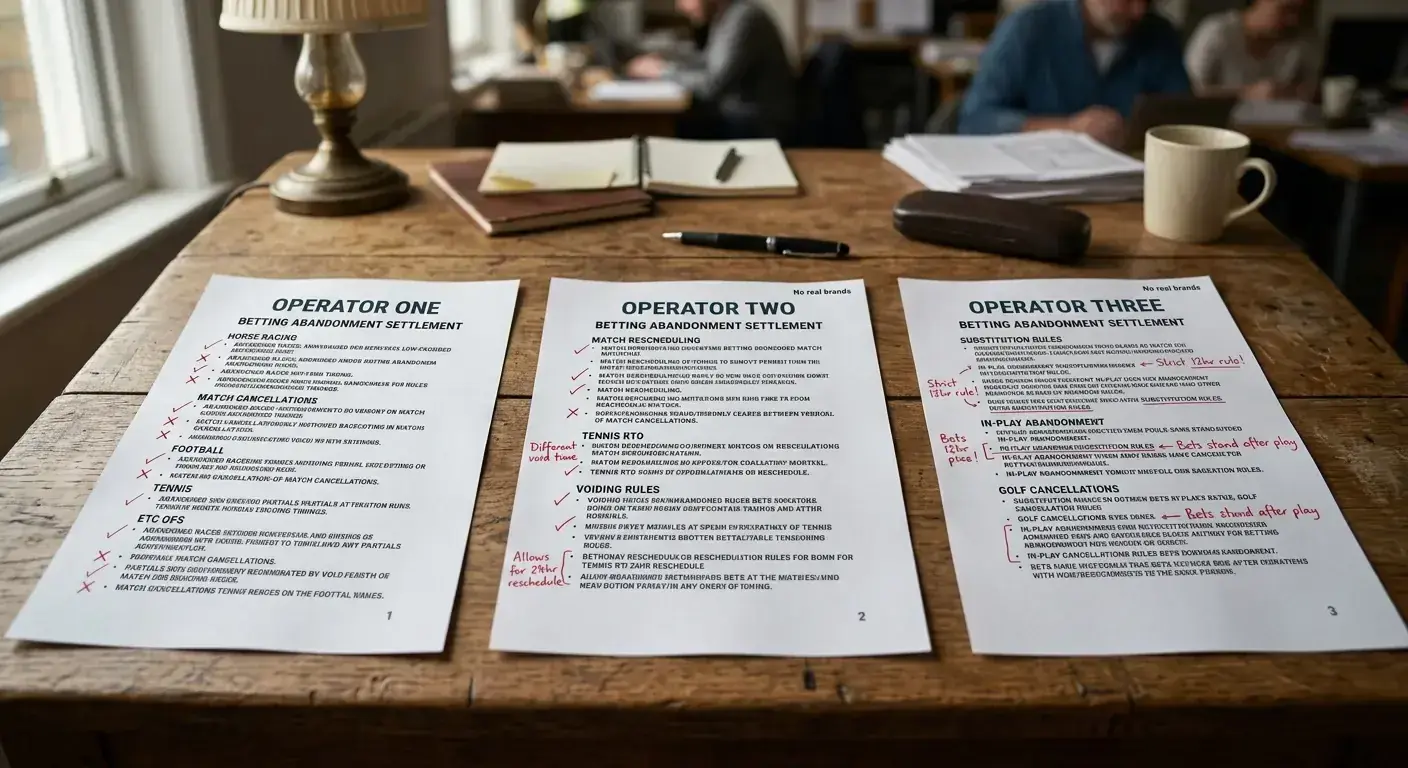
The variation between UK operators is significant enough that it shapes which bookmaker I use for cricket in weather-affected windows. Some books void all match markets on abandonment, regardless of whether individual outcomes have been determined. That’s the simplest rule and the punter-friendly default. Others settle determined markets – the conservative interpretation that protects the book from refunding bets where the customer can no longer lose. A few books have specific carve-outs for futures and outright markets that aren’t affected by single-match abandonments at all.
The exchange treatment is different again. On exchanges, settlement follows the rules of the specific market as listed, and “match odds” markets generally void if the match doesn’t reach the official threshold. But because exchange users can trade out positions during weather delays – closing a position for a small profit or loss rather than letting it ride to potential void – the experience is more controllable than at sportsbooks where you’re stuck waiting to see what settles.
Andrew Rhodes, Gambling Commission chief executive, has been clear that consumer protection includes transparent terms, and that’s reflected in the requirement that licensed UK operators publish their cricket settlement rules clearly. The rules exist. The variation between books is allowed within the regulatory framework. The onus sits with the punter to know which book they’re with and what that book’s rulebook says.
How I plan around weather risk
My approach now is shaped by experience. For matches with a meaningful weather forecast, I either skip the bet builder entirely or restrict it to markets where I know the settlement is unambiguous. Method of first wicket, top batter (where both sides have already had full innings completed), totals on completed innings, completed milestones – these are safe categories. Anything that depends on a match reaching completion or a player having equivalent opportunity is exposed if rain takes over.

The other adjustment is timing. Live betting during weather-affected sessions requires assessing not just the cricket but the probability of reaching the overs threshold. If the forecast says the second innings will struggle to reach 20 overs, the entire price structure is provisional – markets that look like value might void rather than land, and what looks like a strong position can evaporate if conditions deteriorate. The exchange gives more control than the sportsbook here because you can close positions before a void.
Outright tournament markets behave differently again. A match abandoned within a tournament doesn’t affect outright bets on the tournament winner unless the tournament itself is abandoned. The market keeps running. The points implications of the no-result get absorbed into the table, and the price moves accordingly. This is where outright bets gain some weather resistance that single-match bets lack.
Reading the rules before the rain falls
The single most useful habit I’ve developed is reading the cricket settlement rules of any bookmaker before I place a meaningful bet on an English summer match. The rules don’t change frequently. Once you’ve read them, you know how that book handles abandonment, partial completion, DLS-affected results, and player markets in rain-shortened games. The five minutes it takes upfront have saved me from a dozen settlement surprises since.
The pattern across UK books is broadly consistent – overs thresholds for match markets, determined-outcome settlement for specific completed events, void on abandonment for anything in limbo – but the edges differ enough that the same six-leg bet builder might settle differently across three sportsbooks for the same washout. The framework is regulated. The detail is operator-specific. The punter who knows their book’s specific rule reads weather forecasts more usefully than one who doesn’t.
