

The Adelaide Test that taught me what draw protection is worth
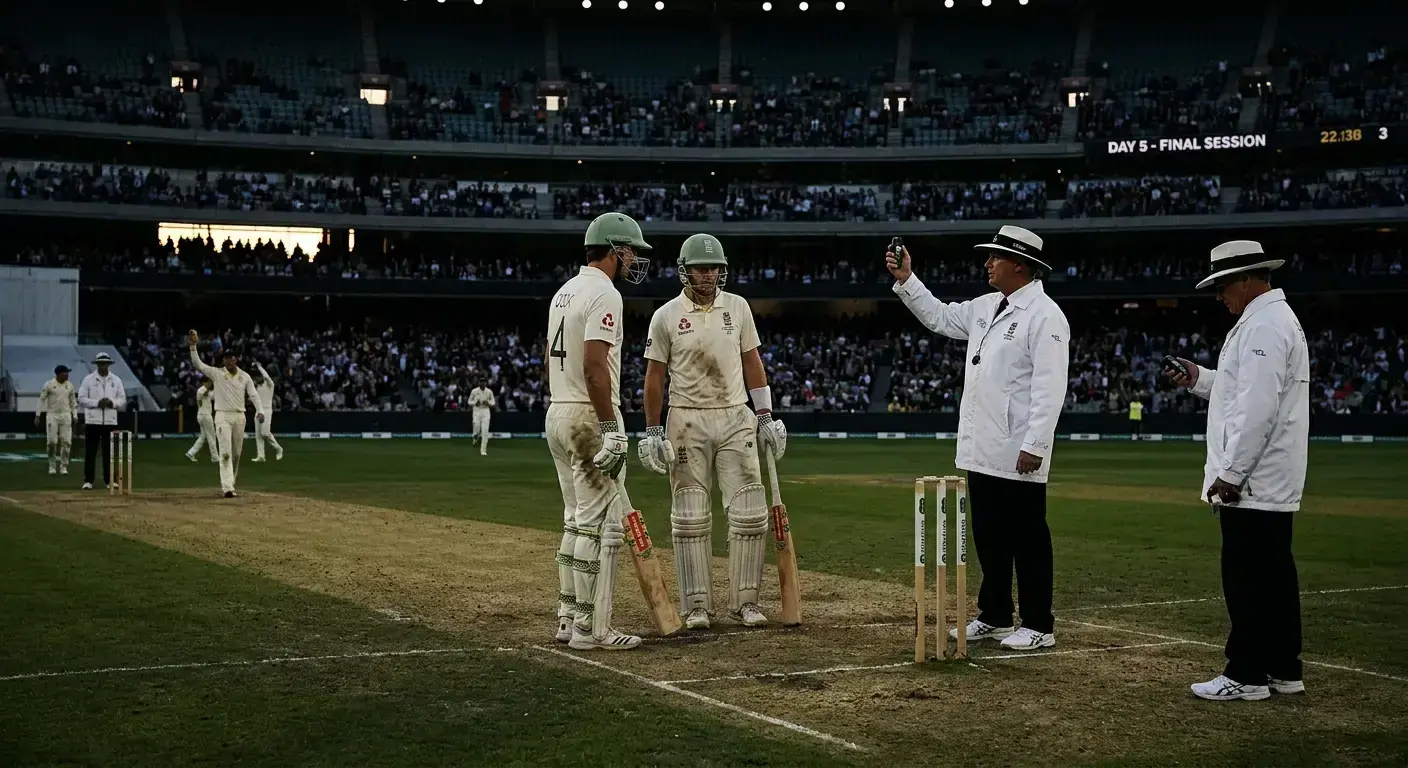
Day five at Adelaide a few years ago. England, 290 ahead with eight wickets in hand at lunch, looked nailed on to push for victory in a session and a half. I’d backed England to win at 1.85, and the price felt fair given the position. By tea, two early wickets and a defensive shift in the field had turned the run rate down to a crawl. By the close, England had set the target too late and the match was drawn. My bet lost. The friend sitting next to me had taken England draw no bet at slightly shorter odds. His stake came back. Same read of the match, same confidence in England, completely different settlement. That was the moment I started taking draw protection seriously as a market in its own right rather than a curiosity for the cautious.
This is about draw no bet in Test cricket – what it does, when it’s worth paying for, where it isn’t, and how to think about whether the protection adds value or just costs you margin in markets where the draw is a real outcome.
What the market actually does
Draw no bet is exactly what it says. You pick a team to win. If they win, the bet wins at the offered odds. If the match is drawn, the stake refunds. If they lose, the bet loses. The market only exists where the draw is a meaningful outcome, which in cricket essentially means Test matches and the occasional drawn-format first-class fixture. Limited-overs cricket has tie markets and super-over rules, but the draw – a match where neither side has won within the allotted time despite play having taken place – is structurally a Test cricket phenomenon.

The price relationship is the key. Draw no bet odds are derived from the three-way market – Home win, Away win, Draw – by mathematically removing the draw outcome and redistributing the implied probability across the two remaining outcomes. If a Test match has Home win 2.10, Draw 3.40, Away win 4.50, the draw no bet price for Home will be shorter than 2.10 because the draw probability has been removed from the denominator. The exact shortening depends on the overround the book applies, but for fair pricing it should reflect a recalculated two-way market with the draw stripped out.
I tend to think of draw no bet as paying a premium for insurance against one specific outcome. The premium is the difference between the straight win price and the draw no bet price. Whether that premium is worth paying depends on how likely the draw genuinely is in the specific match and how much the protection costs in implied margin.
When the draw is genuinely live
Tests in England in June can have draw probabilities under 15% – short days, lively pitches, attacking captaincy, and the result usually comes. Tests in India in February can have draw probabilities under 10% if the surface is turning from day one and the match accelerates to conclusion inside four days. In these matches, draw no bet costs you margin without providing much real protection because the protected outcome is unlikely anyway. The premium isn’t justified by the risk reduction.

Tests in the subcontinent on flat pitches, Tests in the West Indies with rain interruptions, Tests at venues with historical draw rates above 30% – these are different animals. Sri Lanka home Tests against weaker batting sides have produced draws regularly. Bangladesh home Tests on flat surfaces. Pakistan home matches before the move to greener pitches. The draw rate at certain venues is structurally high, and draw no bet at those venues protects against an outcome that genuinely happens.
The Ashes is a useful test case. England has played 354 Test matches at home over its history, and the draw rate in modern Ashes Tests since 2010 sits in the 15-25% range depending on which subset you take. Pre-Bazball, draw rates in England were elevated by conservative captaincy and time-eating batting. Post-Bazball, English Tests have produced results in higher proportions. The market knows this and prices accordingly, but if you back the team you think will win, draw no bet at modern Ashes prices is rarely good value because the draw rate is no longer high enough to justify the premium.
The maths of when DNB pays
The cleanest way to think about whether draw no bet is value is to compare it against a straight win bet adjusted for the draw outcome. Say you’ve assessed a match where you think Team A has a 50% chance to win, the draw probability is 25%, and Team B has 25%. The fair price for Team A straight win is 2.00, and the fair price for Team A draw no bet (with draw refunded) is 1.50 – because in a no-draw universe, Team A wins 50/75 times. If the book offers Team A at 1.95 straight win or 1.45 draw no bet, both are slightly under fair price, but the relative value depends on your read of the draw probability versus the book’s read.
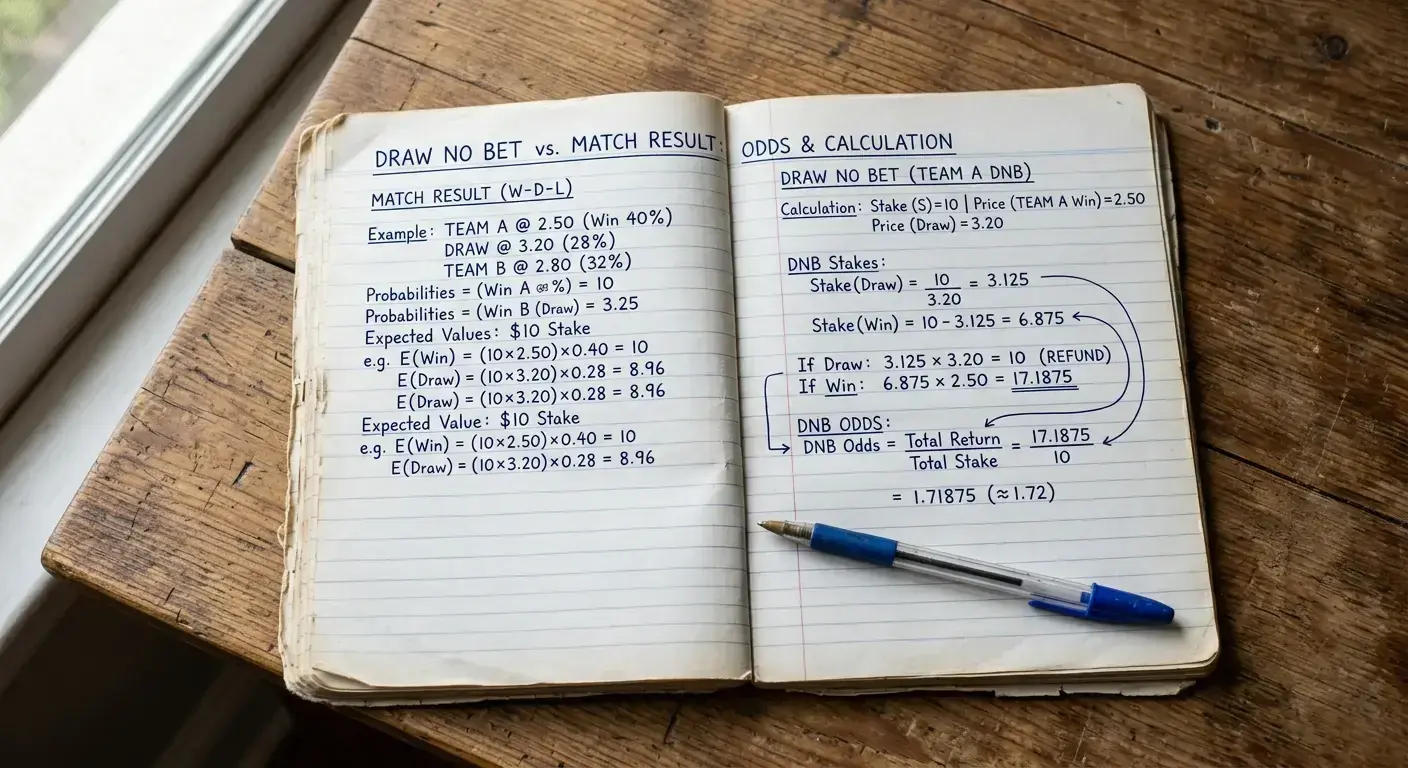
This is the calculation that matters. If you think the draw probability is higher than the book’s implied draw probability, draw no bet is better value than straight win because the book is underpricing the protection. If you think the draw is less likely than the book implies, straight win is better value because the book is overpaying for the draw outcome and you’re effectively forced to subsidise that overpayment when you buy DNB.
Most UK bettors don’t compute these probabilities explicitly, but the intuition holds. On a wicket where the draw feels unlikely and the book has the draw at 3.20 – implied probability around 31% – you should resist paying for draw protection because you don’t think you’ll need it. On a flat track in Sri Lanka with rain in the forecast and the draw at 2.40 – implied around 42% – the protection looks more justified because the book is telling you the draw is genuinely live.
Limited-overs and the tie analogue
The draw-no-bet concept doesn’t translate directly into limited-overs cricket because draws aren’t a structural outcome in formats designed to produce results. What does exist is the tie outcome and super-over markets. In an ODI or T20 where a tied score is theoretically possible, books offer tie outcomes within the three-way market, and the “no tie” equivalent is rare but offered on some books for major matches. The mathematics are the same. The strategic considerations differ because tie outcomes have probabilities under 1% in most matches, and the protection isn’t typically worth what you’d pay for it.
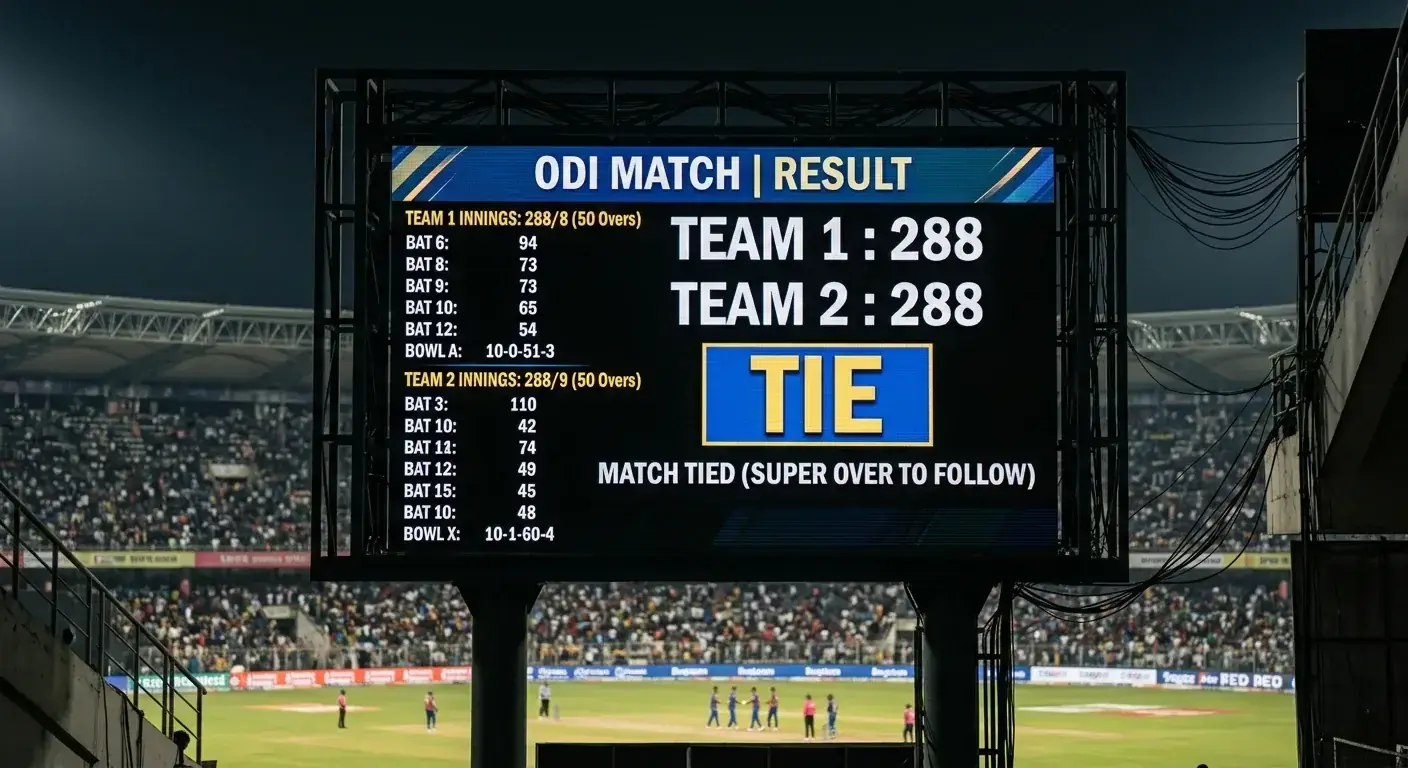
The Hundred and T20 formats with super-over tiebreakers have effectively eliminated the tie as a settled outcome on most match-result markets – the super over decides the result, and tied matches are vanishingly rare. Where DNB-style markets do appear in limited overs is on outright tournament finishes, where ties or shared trophies (cancelled finals, weather-decided shared titles) have happened historically and where some operators offer two-way markets that exclude shared outcomes. These are niche and worth knowing rather than betting frequently.
Where DNB sits in my Test betting
I use draw no bet in two specific scenarios. The first is when I’m confident in a team but the venue or conditions genuinely produce draws. Asia-based Tests on flat surfaces against batting-strong opponents are the obvious case. If I think India will beat New Zealand at home but I know the surface might produce a draw if the lower order digs in, DNB lets me back my read of which side is stronger without paying for an outcome I think is genuinely possible. The second is in the final session of a Test where the win is still on but the draw has become live – a market sometimes offers in-play DNB on the favourite as time pressure compresses the result probability.
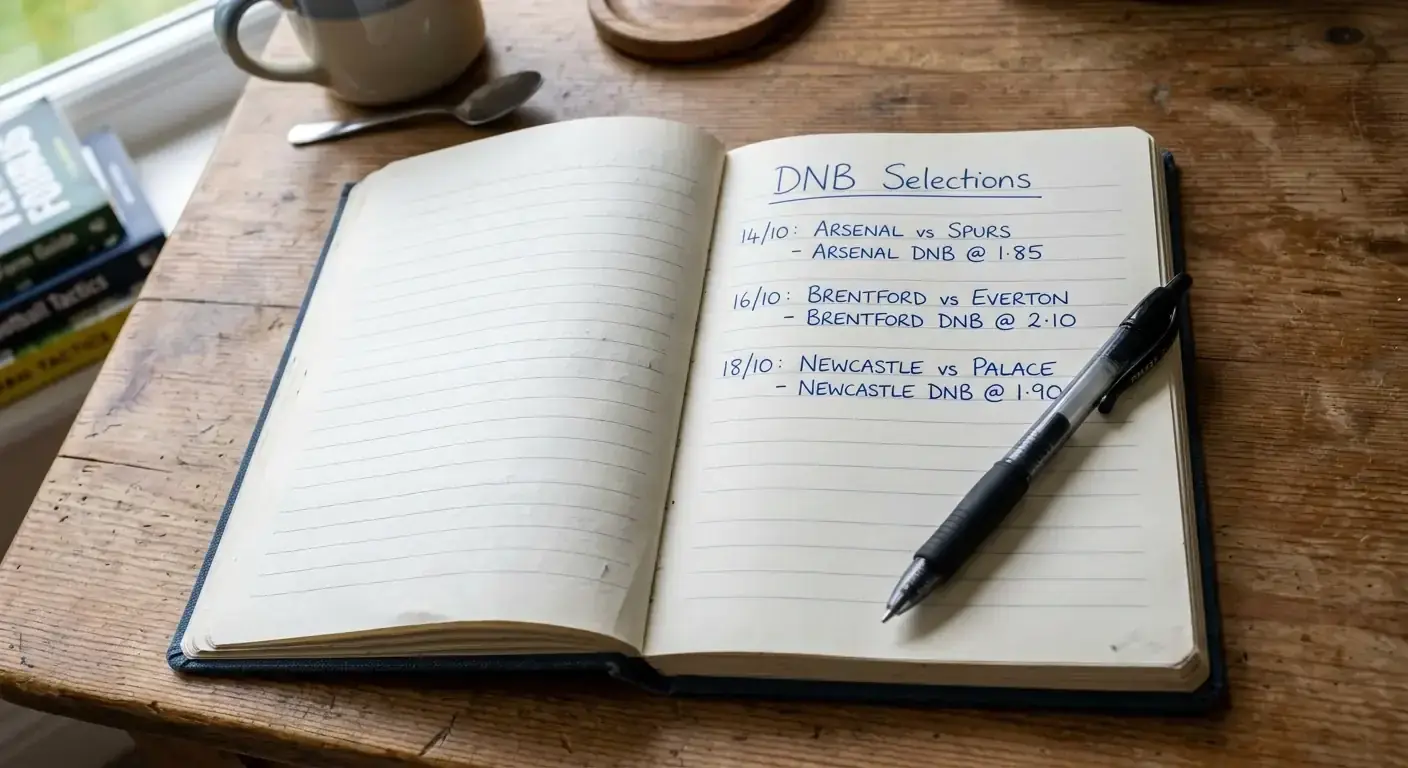
I don’t use it as a default. In England, in Australia, in modern home conditions where draws are increasingly rare, the premium I’d pay for DNB usually isn’t justified by the protection it provides. The straight win at the longer price is better value because the outcome it doesn’t protect against is unlikely to happen anyway.
It’s worth knowing that not every UK book offers draw no bet on every Test. Coverage is patchy. The major Australasian and English summer Tests get DNB markets reliably. Tier-two Test fixtures – Zimbabwe, Ireland, the smaller series – may not have DNB at all, and you’re stuck with straight three-way markets or session-by-session betting if you want exposure. The market exists where the volume justifies the operator setting it.
How draw no bet relates to other Test strategies
Draw no bet sits within a broader toolkit for Test match betting that includes session bets, individual innings totals, top-scorer markets, and method-of-dismissal props. The advantage of DNB over straight win is the draw protection. The disadvantage is the shorter price. The choice depends entirely on whether your read of the match is “this team will win and probably comfortably” or “this team is stronger but the draw is genuinely possible.” The first read goes to straight win for the better price. The second read goes to draw no bet for the protection.

Some bettors layer DNB with other Test markets. Back Team A draw no bet at 1.65, then take a small position on the draw at 3.40 – the combined position pays out on both Team A win and Draw, with the only losing scenario being Team B win. This is essentially a dutched two-way market with the cost spread across two bets. It’s a reasonable structure when you genuinely don’t see Team B winning but the choice between Team A winning and the draw is genuinely uncertain.
Knowing when the insurance is worth buying
The principle that’s emerged from years of using and avoiding draw no bet is straightforward. Pay for protection when the protected outcome is genuinely likely and the price reflects that. Don’t pay for protection when the protected outcome is unlikely and the premium is just margin you’re handing the book. Sri Lankan home Tests against weak attacks – buy the protection. Indian home Tests against weaker batting sides on turning pitches – don’t. Ashes Tests in modern English summers – usually don’t. Tests on Caribbean pitches with rain in the forecast – sometimes worth it.
The market is one of cricket betting’s most useful side doors, and it’s also one of the most over-used by punters who reach for it as a comfort blanket without checking whether the comfort is worth the cost. The Adelaide bet that started this article would have settled to a stake refund if I’d taken DNB. But the bet I should learn from isn’t the one I lost – it’s the dozen other Tests where I won at straight win and would have given up margin if I’d reached for DNB out of habit. Use it deliberately, not defensively.
