
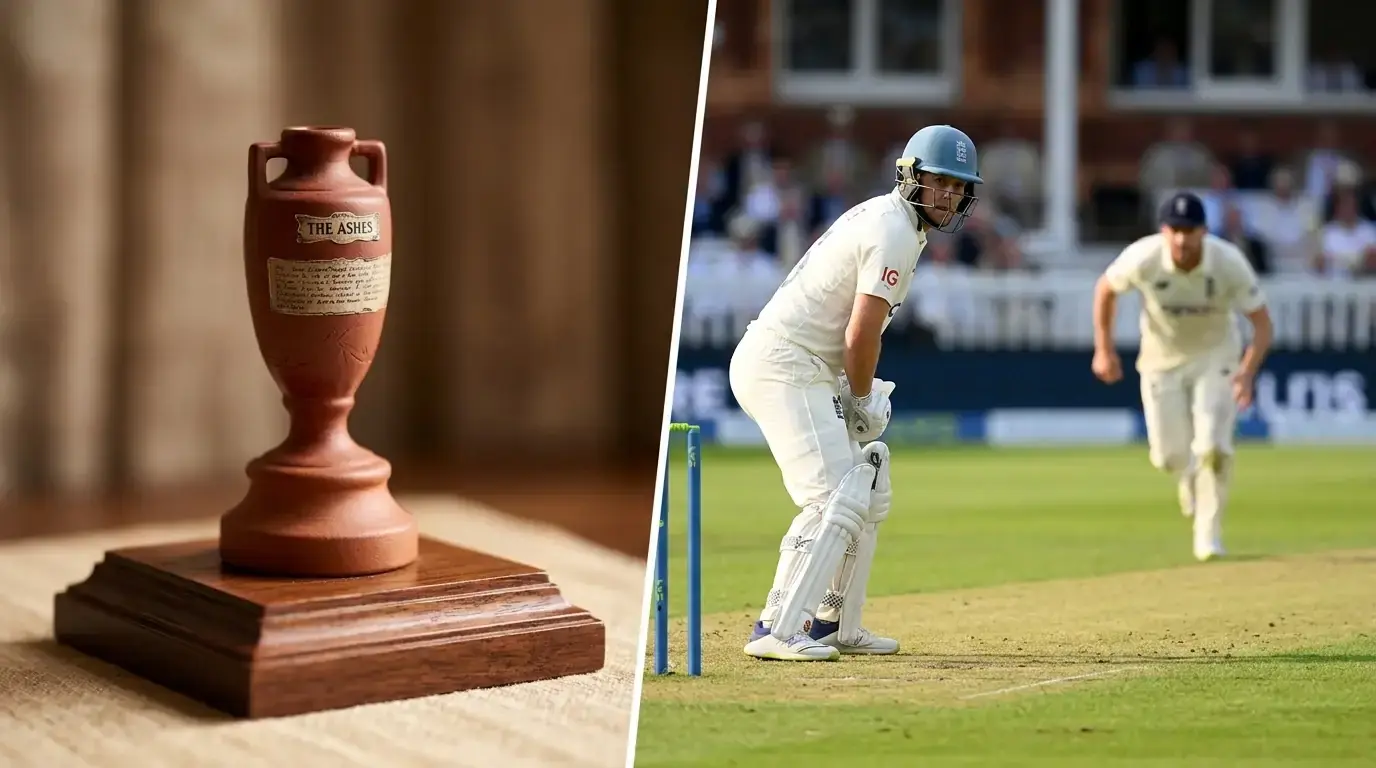

An Ashes tour that punishes lazy pricing
The first Ashes ball I ever staked on was Mitchell Johnson to Alastair Cook in Brisbane, 2013. Caught at slip. I’d put four quid on a wicket in the first over and the entire bar erupted in a way that didn’t quite feel like winning. That moment taught me the only durable lesson I have about an Ashes series – emotion makes you stake, but conditions and squad depth settle the bets.
This 2025/26 tour matters because the pricing landscape is unusually skewed before a ball has been bowled, and because the broadcast picture in the UK has moved again. If you bet through a UK-licensed sportsbook over the next couple of months, this is the guide I’d hand you over a pint.
Series context and what the UK reader is actually watching
Australia are home, and home Ashes tours have a colour of their own. The pitches in Perth, Brisbane and Adelaide play differently to anything an England seamer sees in the County Championship summer. The hosts walk in as outright favourites and the books reflect it.
The broadcast side of the picture has shifted. TNT Sports holds the UK rights to this tour, with overnight live coverage and morning replays – a long way from the BBC free-to-air days I half-remember from childhood. The audience numbers tell the broader story even when the broadcaster changes. Peak Ashes UK television audiences reached 2.12 million in 2023, the highest figure since Sky took the rights after 2005, and that engagement is what props up the depth of betting markets on each Test.
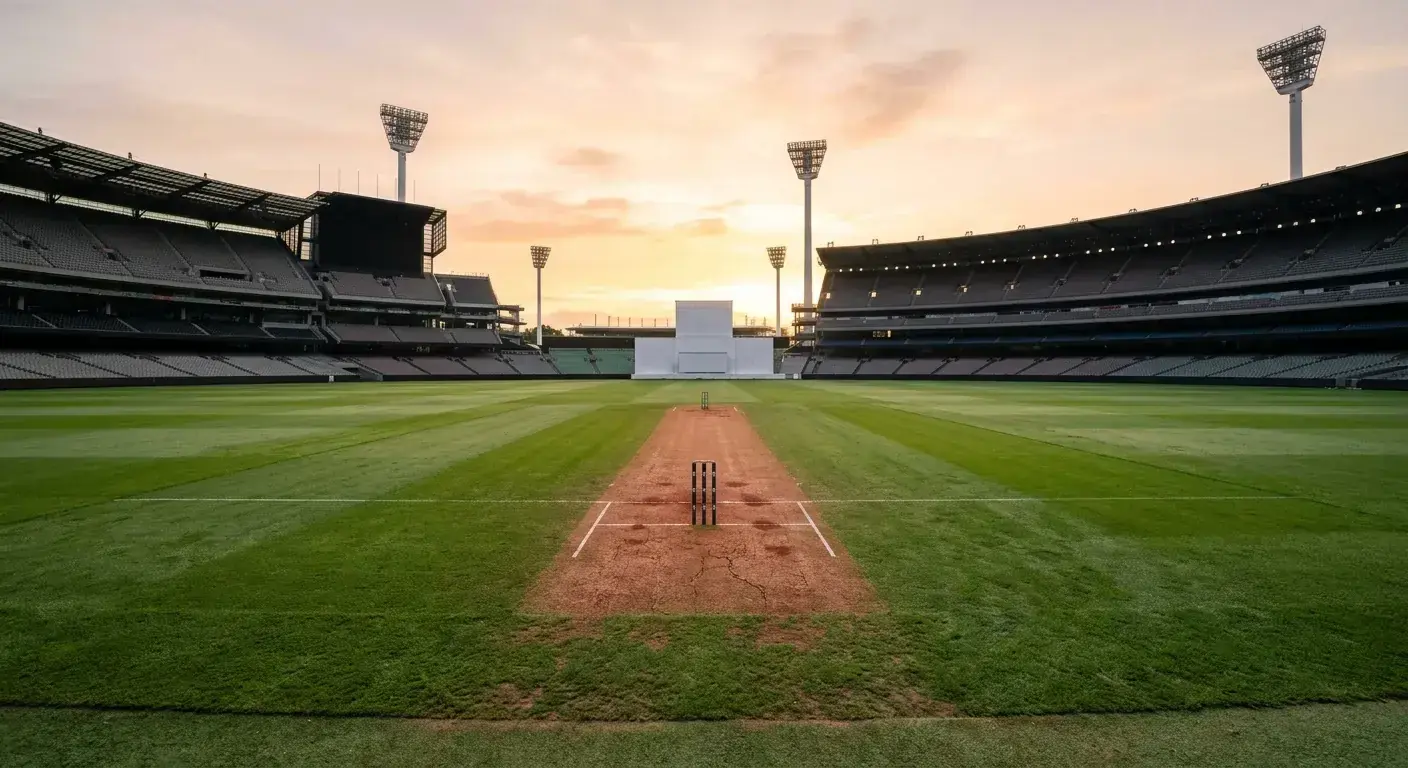
One change worth flagging: the ECB extended its Vitality partnership ahead of this Ashes cycle, with Vitality featuring on the back of England shirts. As Alex Perkins, the ECB’s commercial director, put it on the announcement: “We’re delighted that Vitality will now feature on the back of England shirts as we approach a hugely exciting men’s Ashes series.” Sponsorship moving away from gambling brands on cricket whites is a consequence of the ECB code of conduct that now governs gambling partnerships across English cricket – and a small visual reminder, every time you watch, that the sport’s relationship with bookmakers is being rewritten in plain sight.
Outright series markets
The series winner market is the obvious starting point and almost always the wrong place to find value in an Australian home Ashes. Australia open as comfortable favourites – typically odds-on, sometimes shorter than 8/13 – with England priced longer and the 2-2 series draw filling the middle. The draw matters in a five-Test series in a way it doesn’t in white-ball cricket, because a series can finish drawn even with multiple decisive results.
I treat the outright series price as the worst-value bet on the entire coupon. Two reasons. First, it asks you to predict six weeks of cricket from a single number, which is a stunningly low-resolution question. Second, the bookmaker overround on a three-way outright is usually heavier than on a single Test result, because the operator knows that long-cycle bets get held to the end and rarely get cashed out cleanly.

Where outrights start to pay is in the player markets. Top Series Run Scorer and Top Series Wicket Taker are priced before the first ball, often months in advance, and they shift dramatically when squads are announced or a key player picks up an injury. Steve Smith was priced at 7/2 for Top Batsman of the series in early pricing, with Joe Root, Travis Head and Marnus Labuschagne behind him. Those numbers move every time someone gets dropped or a batter posts a hundred in a warm-up. The first month after squads are confirmed is the noisiest window – and the most exploitable one if you actually watch the warm-ups.
Top run scorer, top wicket taker, and the squad-shape question
The Top Series Run Scorer market is the one I spend the most time on, and it isn’t because of the headline price. It’s because the market structure forces you to ask a question that’s actually answerable: how many innings will my player get?
A top-order batter who plays all five Tests gets ten innings, give or take a declaration. A number six who slides to seven if England play five bowlers might get nine. A wicketkeeper-batter on a turning Brisbane pitch might get four innings before the schedule’s done with him. The Top Scorer market is a volume bet dressed as a quality bet – the most likely winner is usually the man who walks in earliest, plays the most balls and stays at the crease longest.
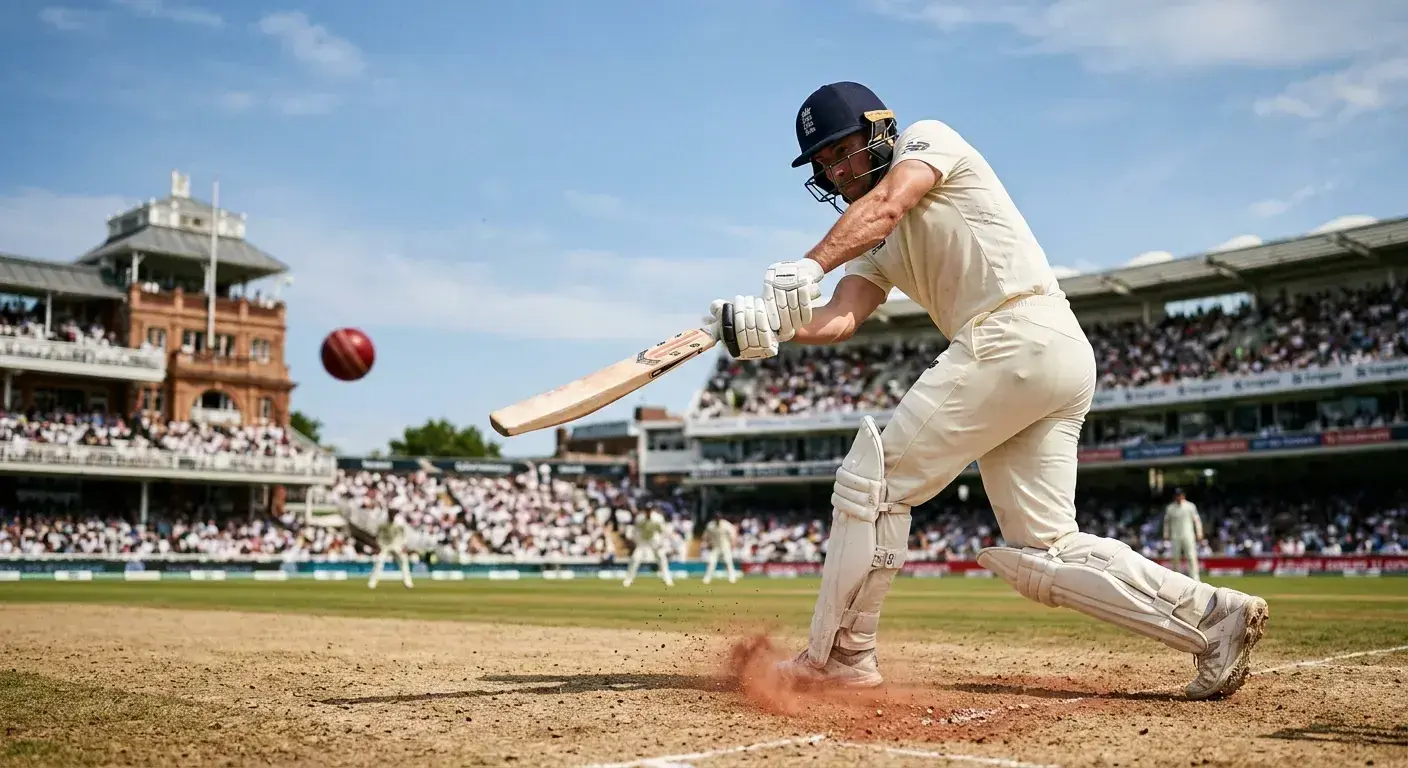
Top Wicket Taker is structurally different. The four-Test seamer who plays Perth, Brisbane and Adelaide stands to take 18-22 wickets in conditions that suit. The spinner who only plays Sydney might pick up six in a single Test. Both can win this market. I tend to back the four-Test seamer over the situational spinner because the variance is lower – the seamer has 14-18 innings to take wickets in, the spinner has four.
Player props during each individual Test are where the in-running margin gets thin. Cricket fans bet more than the casual punter realises – 21% of UK cricket fans say they have placed an online sports bet in the past 12 months, only just behind football fans at 23%. That depth is part of why player markets in an Ashes Test stay live and competitive ball by ball.
A pricing question for the series outright: how do you split your unit across five Tests when each individual match is a binary-plus-draw with its own line? My answer is to back the player markets within each Test instead. The full five-day Test match strategy framework is what I lean on for the granular bets – pitch reading, session pacing, when a draw price is genuinely live.
Session and day markets
This is where Test cricket becomes a sportsbook playground. Each Test has fifteen sessions across five days, and most UK operators will price the result of every session – runs scored, wickets fallen, partnership totals – once play is under way.
Session bets work because they reset your sample size from the whole match to ninety minutes of cricket. A morning session at the Gabba with the new ball, an overcast sky and Cummins-Hazlewood in tandem has a knowable distribution of likely outcomes. Total runs of 60-80 is the modal session in those conditions. Going over the line of 95 means three things have to happen at once – England weather the new ball, the bowlers tire, and the batters rotate strike against second-change bowling. Plausible, not the median.
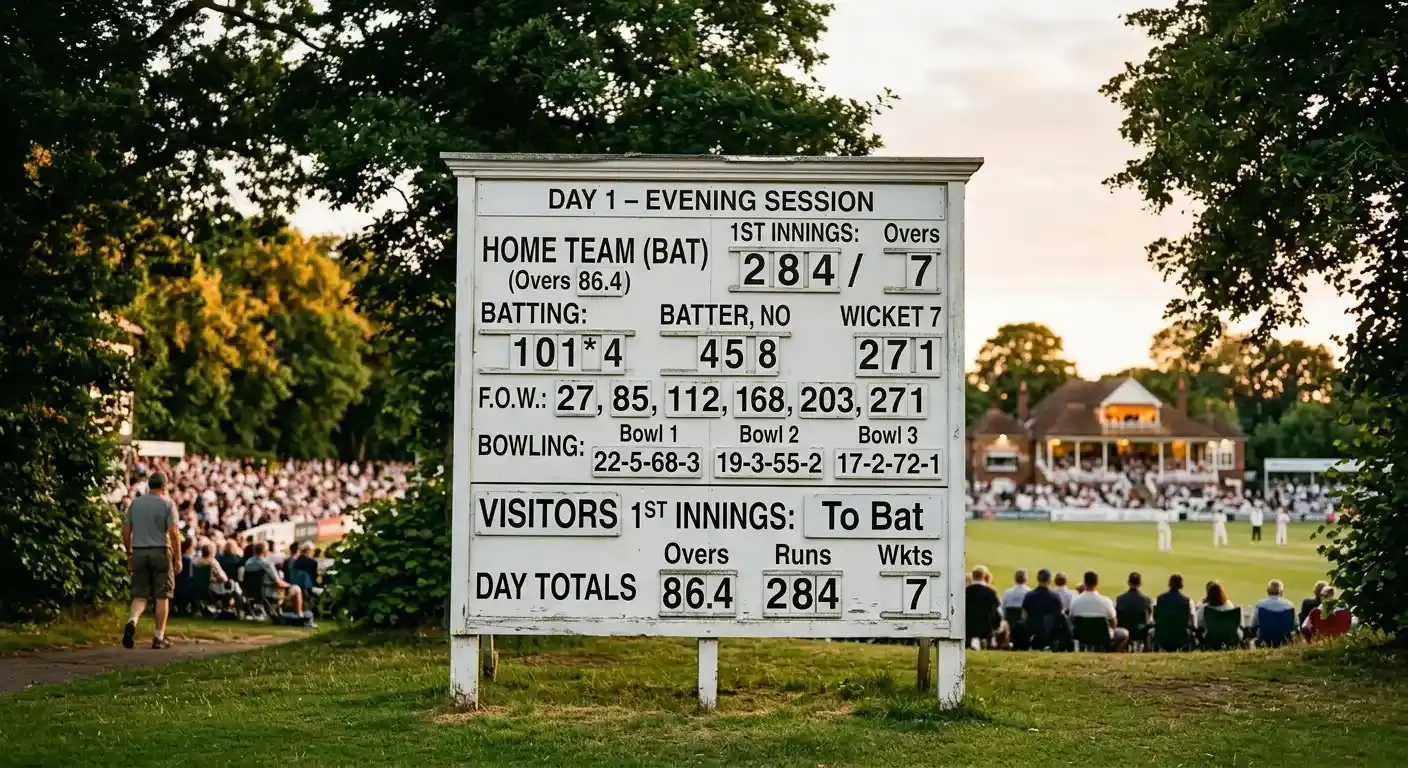
Day-line markets – total runs in the day, wickets in the day – are an easier read because the noise averages out across three sessions. Day three in Adelaide under lights, day five in Melbourne with a worn surface, day one anywhere in Perth: each has a price band that history teaches you to expect. The session market rewards conditions reading; the day market rewards squad-shape reading.
Weather and pitch considerations specific to this tour
Australian December and January weather is hot, but pitch behaviour swings more on preparation than rainfall. Perth is fast and bouncy on a fresh strip, slow and low if the surface has been used. Brisbane carries pace early and tends to flatten by day three. Adelaide under lights is the trickiest read – the pink ball moves more in the twilight hour than at any other point in the match, and session markets between 4pm and 7pm local time price that twilight risk into the totals.

The single mistake I see UK punters make on Australian pitches is mapping English experience onto them. A 280-all-out at Edgbaston is a competitive total. The same score at the Gabba is borderline insufficient. Adjust your run-line bands upward by a notch for Australian conditions – every total market sits higher than its English equivalent, and bookmakers price it that way from the toss.
Pricing the series in plain numbers
If I had to summarise where the value sits on this tour in three lines: the outright series winner is poor value; the Top Series Run Scorer is workable if you understand innings count; the in-Test session and day markets are where attentive UK punters reliably find prices that don’t match what the conditions are showing on screen. Watch the warm-ups, watch the pitch reports on the morning of each Test, and bet the granular markets, not the macro one.